Manhattan grid creates seasonal sun alignments
AFBytes Brief
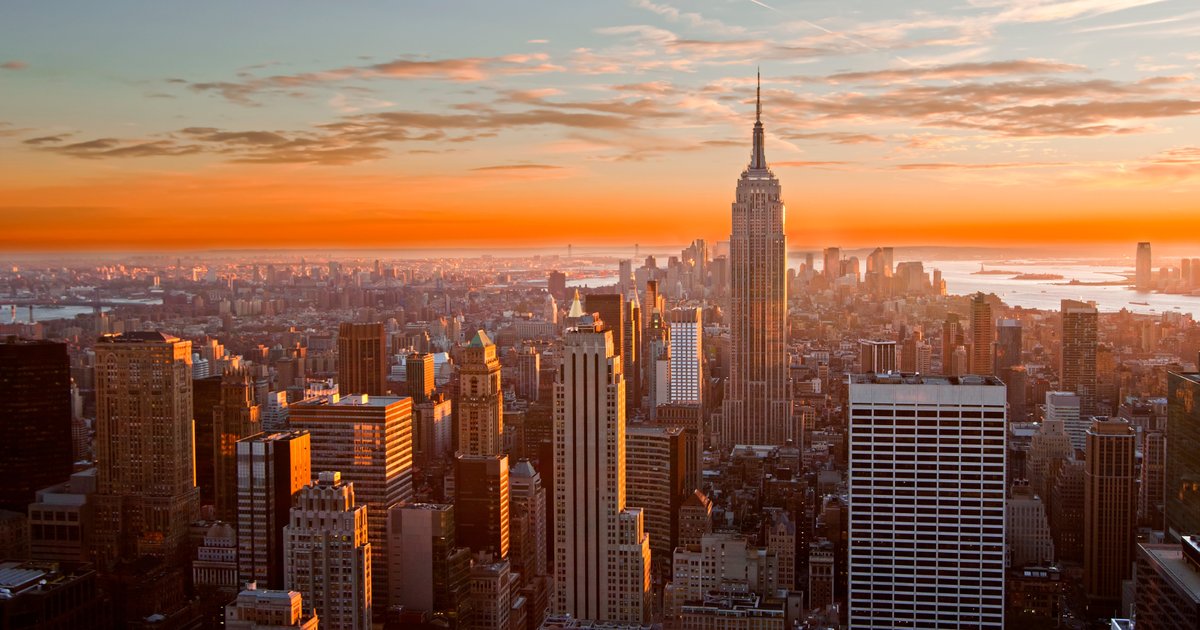
Planners of the 1811 Manhattan grid created an accidental large-scale solar alignment. Four times each year the setting sun lines up with the east-west cross streets. The effect produces striking visual moments in the cityscape.
Why this matters
Periodic natural light phenomena can influence tourism patterns and local photography activity in dense urban areas.
Quick take
- What to Watch Next
- Note the specific calendar dates when the alignment occurs for any related local event coverage.
Perspectives on this story
AI-generated analytical lenses meant to encourage you to think across multiple frames. Not attributed to any individual; not presented as fact.
Household Impact
How this affects family budgets, jobs, and day-to-day life.
The phenomenon offers a free visual experience that can enhance leisure activities for city residents and visitors.
America First View
How this lands for readers prioritizing American sovereignty, borders, and domestic industry.
Iconic U.S. urban design continues to generate cultural and aesthetic interest without external dependencies.
Institutional View
How established institutions -- agencies, courts, allied governments -- are likely to frame it.
Municipal planning records document the historical grid layout and its unintended consequences.
Civil Liberties View
How this reads through the lens of constitutional rights, free speech, and due process.
Public observation of natural light patterns in city streets does not involve rights conflicts.
National Security View
How this matters for defense posture, intelligence, and adversary deterrence.
No national security implications are associated with seasonal sunlight alignments.
Adversary View
How foreign rivals are likely to frame this story. Not presented as fact and does not reflect the views of AFBytes.
No clear adversary framing applies to this story.
AFBytes analysis is AI-assisted and generated from source metadata, article summaries, and topic context. It is intended to help readers think through implications, not replace the original reporting from spacedaily.com. See our AI and Summary Disclosure for details.