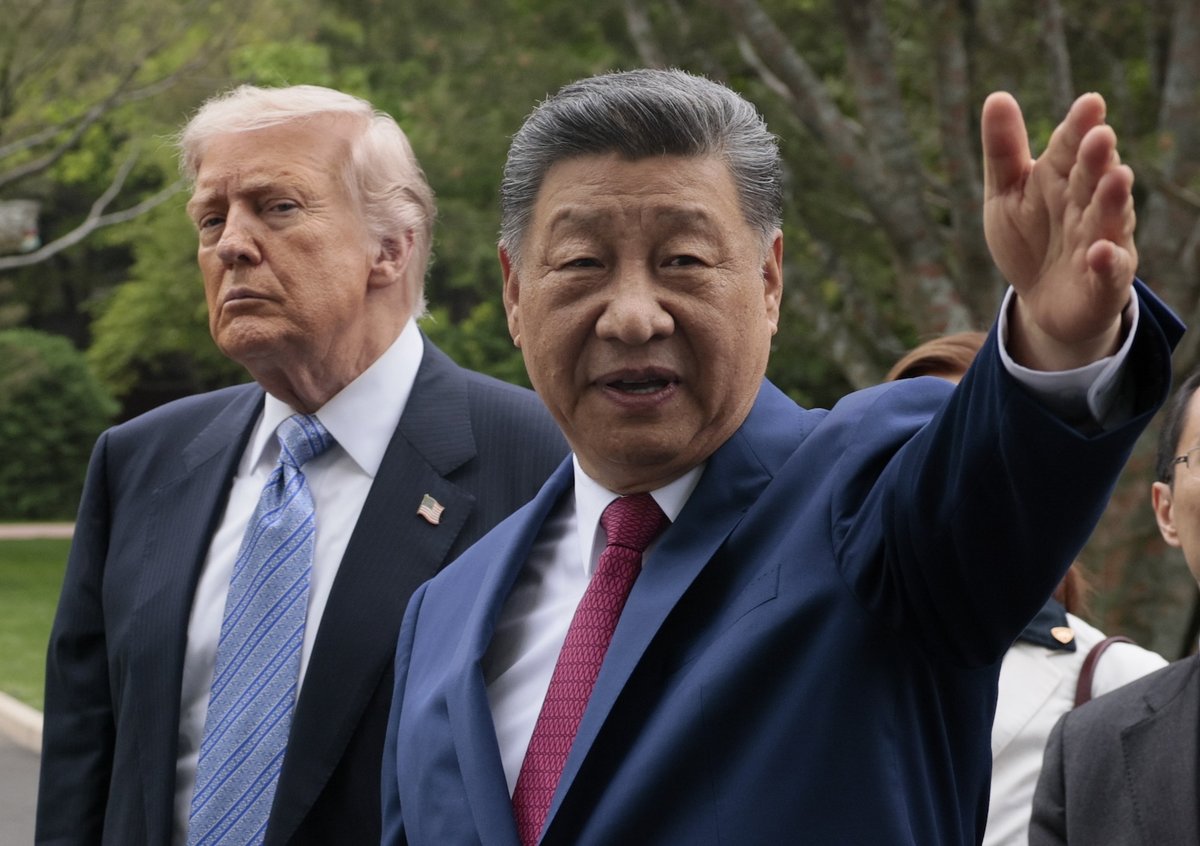
Opinion: Trump approach risks making China great again
AFBytes Brief
The article contends that recent diplomatic and trade developments have left the United States appearing less dominant relative to China. It questions whether current strategy inadvertently advances Chinese interests.
Why this matters
Shifts in U.S.-China relations affect trade balances, technology competition, and long-term economic opportunities for American workers and investors.
Quick take
- Money Angle
- Perceived weakening of U.S. leverage can influence investor allocation between U.S. and Chinese equities and supply chains.
- Market Impact
- Technology and semiconductor names with China exposure may experience volatility on shifting policy signals.
- Who Benefits
- Chinese state-linked enterprises may gain breathing room if U.S. pressure eases.
- Who Loses
- U.S. firms competing directly with subsidized Chinese manufacturers face continued headwinds.
- What to Watch Next
- Follow the next round of bilateral trade talks or tariff announcements for concrete policy direction.
Perspectives on this story
AI-generated analytical lenses meant to encourage you to think across multiple frames. Not attributed to any individual; not presented as fact.
Household Impact
How this affects family budgets, jobs, and day-to-day life.
Trade and technology competition outcomes influence job availability and consumer prices in affected industries.
America First View
How this lands for readers prioritizing American sovereignty, borders, and domestic industry.
Maintaining clear strategic boundaries with China protects U.S. technological edge and domestic production capacity.
Institutional View
How established institutions -- agencies, courts, allied governments -- are likely to frame it.
Executive branch agencies implement China policy through existing trade statutes and export control regulations.
National Security View
How this matters for defense posture, intelligence, and adversary deterrence.
Technology and trade policy choices shape long-term deterrence and supply-chain security against peer competitors.
AFBytes analysis is AI-assisted and generated from source metadata, article summaries, and topic context. It is intended to help readers think through implications, not replace the original reporting from salon.com. See our AI and Summary Disclosure for details.
Discussion on
Trending posts from X.
You’re paying more for groceries right now than at almost any point in the last four years. Trump started a reckless war with Iran, it shut down global oil supply, and now it’s showing up in your grocery bill. https://t.co/fiGOj1t0Dg
— Senator Ruben Gallego (@SenRubenGallego) May 17, 2026
I love to see even DC’s most liberal residents celebrating this — President Trump is making DC *beautiful* and safe again! These are the types of projects that improve quality of life and make everyone appreciate this city ❤️ https://t.co/hKHUyavrQO
— Abigail Jackson 🇺🇸 (@abigailmarone) May 17, 2026
Should this make us more or less worried about the budget deficit? pic.twitter.com/mHfGLJWAfz
— Matthew Yglesias (@mattyglesias) May 17, 2026
We just relaxed tariffs on importation of Argentinian beef because the lack of U.S. supply relative to demand was jacking up prices, but now we are going to export the U.S. beef we were told we were short on to China? Make it make sense. https://t.co/ZTsa4blhq1
— Sean Davis (@seanmdav) May 16, 2026
Great news America!
— Cuckturd (@CattardSlim) May 17, 2026
USA beef for China.
Argentina beef for you.
The-Deal-Maker-in-Chief does it again 👍 pic.twitter.com/Qsmy3CUYZO