Human organoids reveal how to reverse irreversible nerve damage
AFBytes Brief
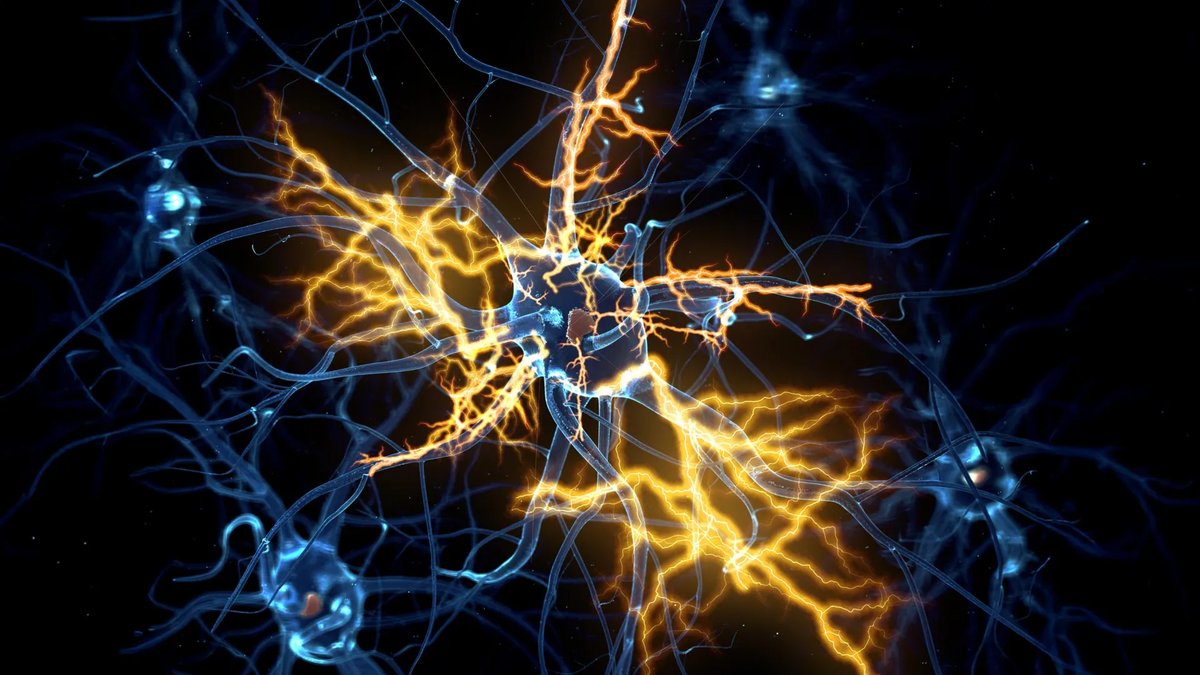
Researchers developed miniature brain-and-spinal-cord organoid systems that transmit signals and contract muscle tissue. The work identified mechanisms that may allow reversal of previously considered irreversible nerve damage.
Why this matters
Progress in neural regeneration research could eventually influence treatments for spinal injuries and neurodegenerative conditions.
Perspectives on this story
AI-generated analytical lenses meant to encourage you to think across multiple frames. Not attributed to any individual; not presented as fact.
Household Impact
How this affects family budgets, jobs, and day-to-day life.
Advances in regenerative techniques could reduce long-term healthcare costs associated with spinal cord injuries.
America First View
How this lands for readers prioritizing American sovereignty, borders, and domestic industry.
U.S. and allied research institutions maintain leadership in organoid and stem-cell technologies that support domestic biotech industry.
Institutional View
How established institutions -- agencies, courts, allied governments -- are likely to frame it.
FDA and NIH evaluate organoid-derived findings through established preclinical and clinical review pathways.
Civil Liberties View
How this reads through the lens of constitutional rights, free speech, and due process.
Use of human-derived organoids raises ethical questions around consent and limits of biological modeling.
National Security View
How this matters for defense posture, intelligence, and adversary deterrence.
Biotechnology advances contribute to the broader U.S. life-sciences industrial base and medical readiness.
Adversary View
How foreign rivals are likely to frame this story. Not presented as fact and does not reflect the views of AFBytes.
No clear adversary framing applies to this story.
AFBytes analysis is AI-assisted and generated from source metadata, article summaries, and topic context. It is intended to help readers think through implications, not replace the original reporting from sciencedaily.com. See our AI and Summary Disclosure for details.