Pamir glaciers melt rapidly in 2025 after stability
AFBytes Brief
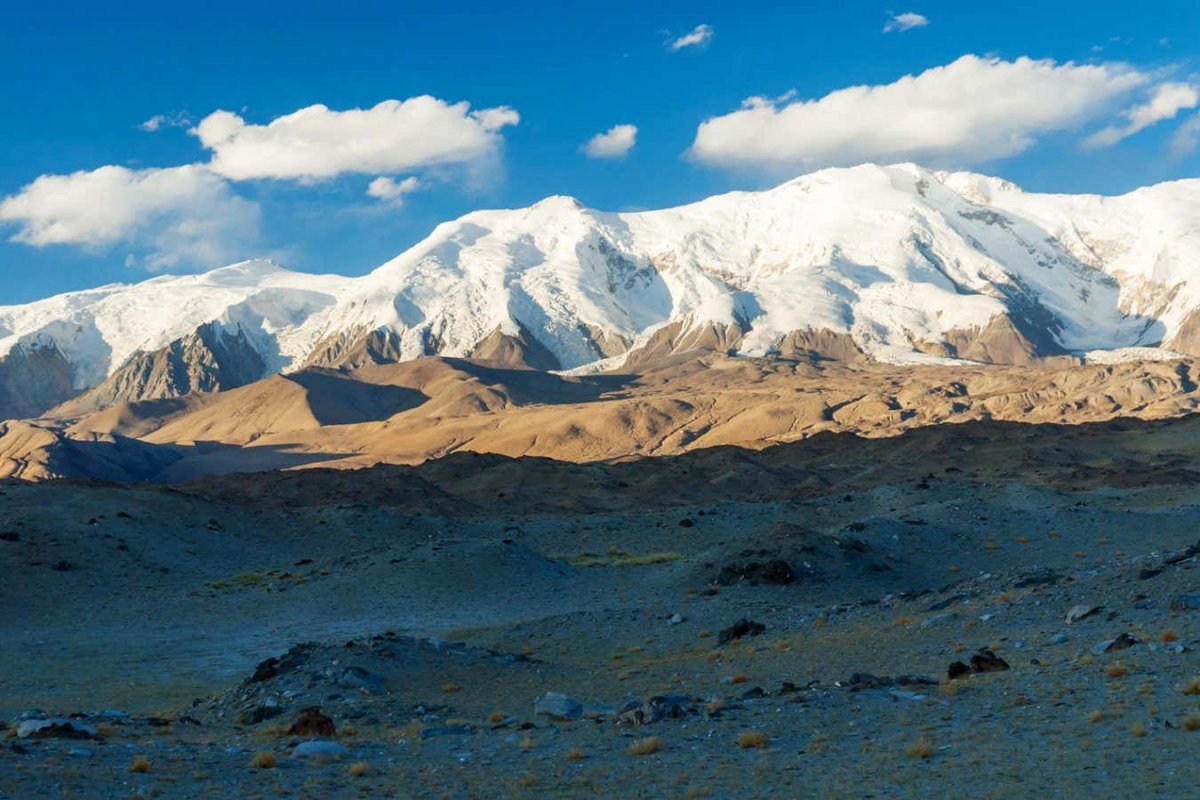
The Pamir range had avoided major ice loss until 2025 when measurements showed sudden and large reductions in glacier volume. Scientists link the shift to rising temperatures that finally overcame local climate buffers.
Why this matters
Changes in high mountain glaciers can alter regional water supplies that support agriculture and hydropower in downstream countries.
Quick take
- What to Watch Next
- Watch for updated glacier mass balance reports from regional monitoring agencies in late 2025.
Perspectives on this story
AI-generated analytical lenses meant to encourage you to think across multiple frames. Not attributed to any individual; not presented as fact.
Household Impact
How this affects family budgets, jobs, and day-to-day life.
Downstream communities may face shifts in seasonal water availability for farming and power generation.
America First View
How this lands for readers prioritizing American sovereignty, borders, and domestic industry.
U.S. interests in stable global food and energy supply chains could be affected by changes in central Asian water resources.
Institutional View
How established institutions -- agencies, courts, allied governments -- are likely to frame it.
Scientific agencies would emphasize continued satellite and field monitoring to track mass balance under existing climate agreements.
Civil Liberties View
How this reads through the lens of constitutional rights, free speech, and due process.
No clear civil liberties dimension applies to this story.
National Security View
How this matters for defense posture, intelligence, and adversary deterrence.
Altered water flows could influence long-term stability in regions that border multiple strategic corridors.
Adversary View
How foreign rivals are likely to frame this story. Not presented as fact and does not reflect the views of AFBytes.
No clear adversary framing applies to this story.
AFBytes analysis is AI-assisted and generated from source metadata, article summaries, and topic context. It is intended to help readers think through implications, not replace the original reporting from newscientist.com. See our AI and Summary Disclosure for details.