Starmer: Western Rifts Over Iran
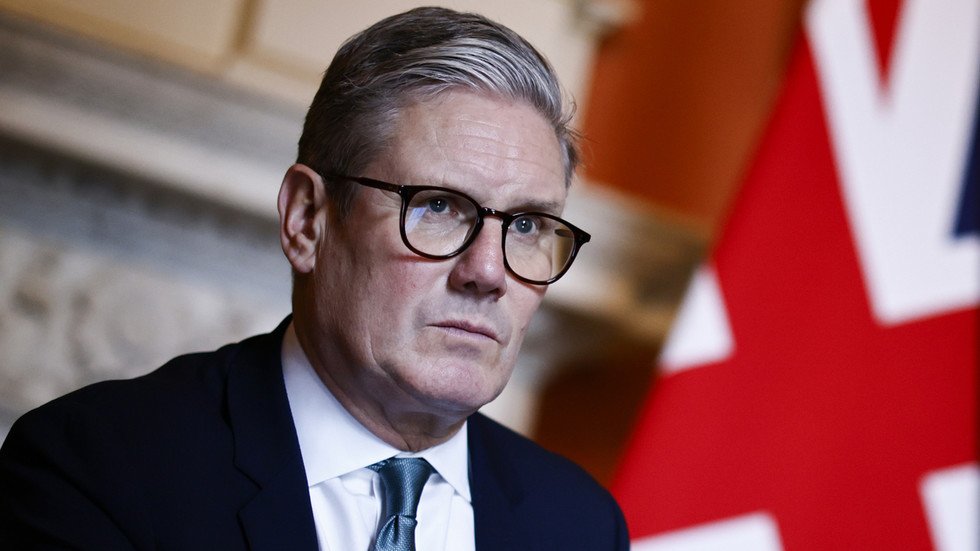
AFBytes Brief
UK PM Keir Starmer acknowledges divisions within Western alliances. Rifts stem from US-Europe differences on Iran conflict and trade. The admission highlights transatlantic strains.
Why this matters
Alliance cracks complicate US foreign policy on Iran, affecting troop deployments. Trade disagreements impact jobs in export sectors. Americans bear costs of disunited responses to global threats.
Quick take
- What to Watch Next
- Upcoming US-UK summits will test if Starmer's concerns lead to policy shifts.
Perspectives on this story
AI-generated analytical lenses meant to encourage you to think across multiple frames. Not attributed to any individual; not presented as fact.
Household Impact
How this affects family budgets, jobs, and day-to-day life.
Alliance rifts mean uncertain support in crises, indirectly raising defense burdens. Little direct family impact but ties to trade stability. Views focus on reliable partnerships.
America First View
How this lands for readers prioritizing American sovereignty, borders, and domestic industry.
They welcome Europe taking more burden aligning with America First. Critiques of weak allies fit worldview. Emphasis on US leverage in divisions.
Institutional View
How established institutions -- agencies, courts, allied governments -- are likely to frame it.
They worry divisions undermine collective security against aggressors. Push for unity reflects multilateral ideals. Reasoning centers on shared threats.
AFBytes analysis is AI-assisted and generated from source metadata, article summaries, and topic context. It is intended to help readers think through implications, not replace the original reporting from rt.com. See our AI and Summary Disclosure for details.
Discussion on
Trending posts from X.
⚡️ Slovak Prime Minister Robert Fico, after a conversation with Zelensky, refused to go to the May 9 parade in Moscow, — Ukrainska Pravda.
— MAKS 25 🇺🇦👀 (@Maks_NAFO_FELLA) May 4, 2026