Virtual Museum Displays Obscure Operating Systems
AFBytes Brief
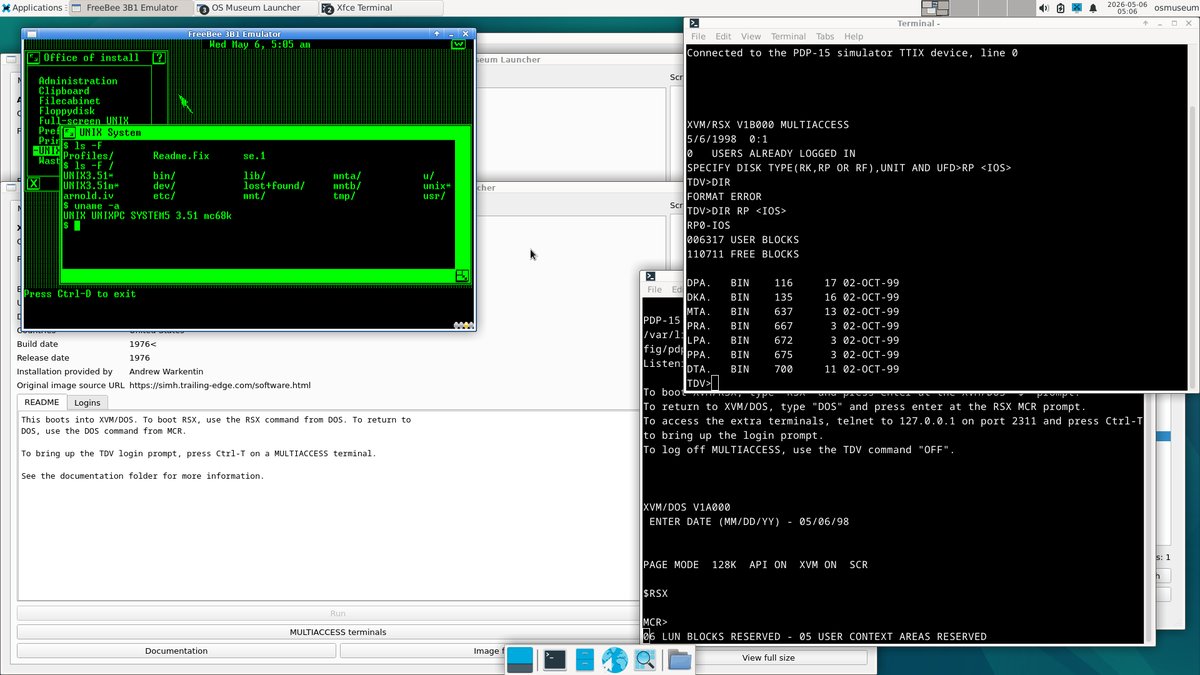
A virtual museum compiles a wide range of obscure operating systems that predate or diverged from mainstream platforms. The collection highlights experimental designs that never reached wide adoption. Windows Vista is one notable exclusion from the archive.
Why this matters
The project preserves computing history that informs how modern systems evolved and why certain design choices persist in software used daily by Americans.
Perspectives on this story
AI-generated analytical lenses meant to encourage you to think across multiple frames. Not attributed to any individual; not presented as fact.
Household Impact
How this affects family budgets, jobs, and day-to-day life.
Access to historical software records can help students and hobbyists understand the roots of current devices without requiring new purchases.
America First View
How this lands for readers prioritizing American sovereignty, borders, and domestic industry.
Preserving domestic computing innovations supports long-term technological self-reliance by documenting early U.S. contributions to software.
Institutional View
How established institutions -- agencies, courts, allied governments -- are likely to frame it.
Libraries and universities may view the archive as a supplemental resource for computer science curricula under existing educational standards.
Civil Liberties View
How this reads through the lens of constitutional rights, free speech, and due process.
No clear civil liberties principle is directly engaged by the preservation of historical software artifacts.
National Security View
How this matters for defense posture, intelligence, and adversary deterrence.
Documenting legacy operating systems can aid analysis of older critical infrastructure components still in limited government use.
Adversary View
How foreign rivals are likely to frame this story. Not presented as fact and does not reflect the views of AFBytes.
No clear adversary framing applies to this story.
AFBytes analysis is AI-assisted and generated from source metadata, article summaries, and topic context. It is intended to help readers think through implications, not replace the original reporting from hackaday.com. See our AI and Summary Disclosure for details.