Pakistan Raises Afghanistan Security Concerns in U.S. Talks
AFBytes Brief
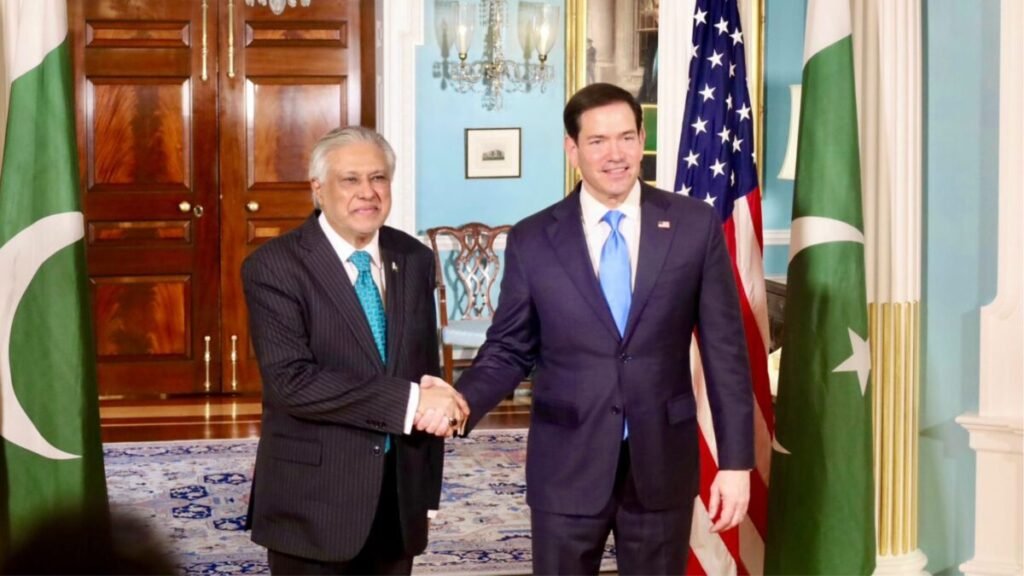
Pakistan's foreign minister raised security concerns stemming from Afghan territory in talks with U.S. officials. The discussions occurred in Washington. The exchange focused on cross-border threats.
Why this matters
Regional security discussions can influence U.S. foreign policy decisions and resource allocation in South Asia.
Quick take
- Money Angle
- Heightened regional tensions can affect U.S. defense spending priorities and foreign aid allocations.
- Market Impact
- Defense contractors and regional energy markets may register sensitivity to any escalation signals.
- Who Benefits
- Pakistan gains diplomatic attention for its security concerns during bilateral engagement.
- Who Loses
- No specific commercial losers are identified from the diplomatic report.
- What to Watch Next
- Monitor State Department statements or congressional hearings for updates on U.S. South Asia policy.
Perspectives on this story
AI-generated analytical lenses meant to encourage you to think across multiple frames. Not attributed to any individual; not presented as fact.
Household Impact
How this affects family budgets, jobs, and day-to-day life.
U.S. taxpayers may see indirect effects through defense and foreign assistance budgets.
America First View
How this lands for readers prioritizing American sovereignty, borders, and domestic industry.
U.S. officials prioritize border security and regional stability when engaging with partners on Afghan threats.
Institutional View
How established institutions -- agencies, courts, allied governments -- are likely to frame it.
The State Department conducts bilateral talks under established diplomatic protocols and statutory authority.
Civil Liberties View
How this reads through the lens of constitutional rights, free speech, and due process.
No domestic civil liberties questions are raised by these foreign diplomatic exchanges.
National Security View
How this matters for defense posture, intelligence, and adversary deterrence.
Cross-border security issues in South Asia remain relevant to U.S. counterterrorism posture.
Adversary View
How foreign rivals are likely to frame this story. Not presented as fact and does not reflect the views of AFBytes.
No clear adversary framing applies to this story.
AFBytes analysis is AI-assisted and generated from source metadata, article summaries, and topic context. It is intended to help readers think through implications, not replace the original reporting from khaama.com. See our AI and Summary Disclosure for details.