Cuba US Military Threat Accusation
AFBytes Brief
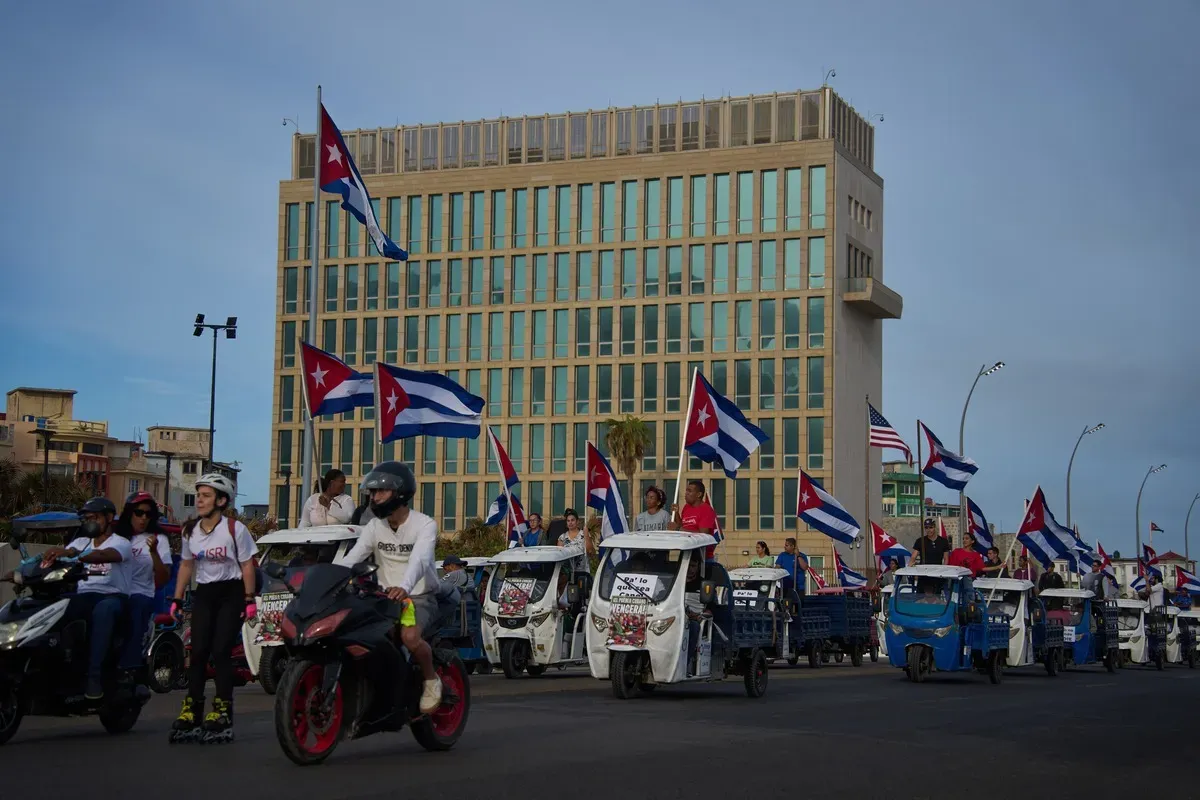
Cuba has accused the United States of posing a clear military threat amid ongoing historical tensions. The statement follows actions by former President Trump. Relations between the two nations remain strained.
Why this matters
Renewed accusations heighten diplomatic friction between the US and Cuba, potentially affecting regional stability in the Americas and US foreign policy priorities. Travel restrictions, trade embargoes, and migration patterns could face further disruptions if tensions escalate, impacting American businesses and families with ties to the region.
Perspectives on this story
AI-generated analytical lenses meant to encourage you to think across multiple frames. Not attributed to any individual; not presented as fact.
Household Impact
How this affects family budgets, jobs, and day-to-day life.
Most working families see little direct change in daily costs or safety from US-Cuba rhetoric. Tensions rarely alter grocery prices or local jobs, though travel to the region might complicate family vacations. Reactions stay muted due to distance from routine life.
America First View
How this lands for readers prioritizing American sovereignty, borders, and domestic industry.
This fits narratives of standing firm against communist regimes, affirming strong foreign policy stances. They emphasize protecting US interests from perceived aggression, aligning with views on national security threats. The framing reinforces distrust of adversarial governments.
Institutional View
How established institutions -- agencies, courts, allied governments -- are likely to frame it.
Accusations prompt concerns over escalatory rhetoric risking unnecessary conflicts. They highlight diplomacy's role in de-escalating historical foes, prioritizing stability over confrontation. Reactions stress multilateral approaches to avoid broader regional fallout.
AFBytes analysis is AI-assisted and generated from source metadata, article summaries, and topic context. It is intended to help readers think through implications, not replace the original reporting from uctoday.com. See our AI and Summary Disclosure for details.