nasa permanent moon base 2032 plans
AFBytes Brief
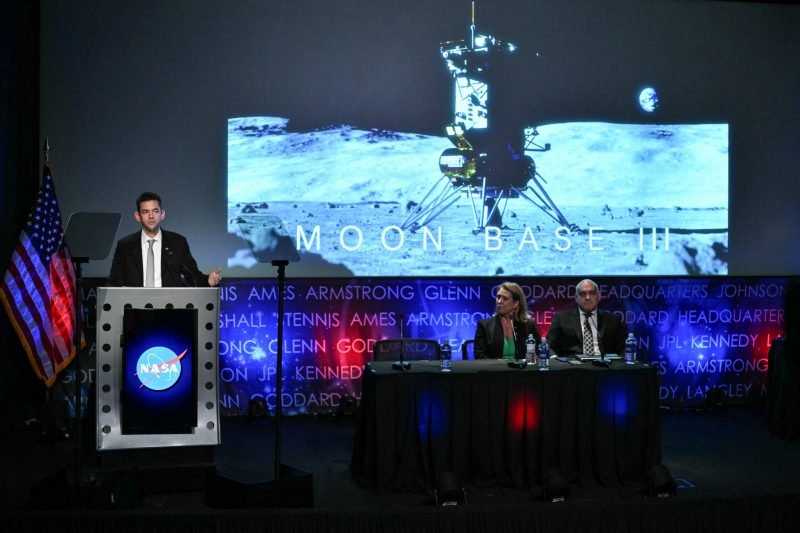
NASA announced a timeline to build a permanent lunar base. The plan represents a shift toward sustained human presence on the moon.
Why this matters
Long-term space infrastructure investments can drive technology development that eventually influences commercial sectors and high-skill employment.
Quick take
- Money Angle
- Multi-year NASA budgets for lunar infrastructure will require sustained congressional appropriations.
- Market Impact
- Aerospace contractors and suppliers stand to receive increased contract opportunities as timelines advance.
- Who Benefits
- Companies with existing NASA contracts gain from expanded lunar program funding.
- What to Watch Next
- Follow upcoming NASA budget requests and congressional authorization bills for lunar program funding levels.
Perspectives on this story
AI-generated analytical lenses meant to encourage you to think across multiple frames. Not attributed to any individual; not presented as fact.
Household Impact
How this affects family budgets, jobs, and day-to-day life.
Space program spending has limited direct impact on most household budgets but supports specialized jobs.
America First View
How this lands for readers prioritizing American sovereignty, borders, and domestic industry.
Leadership in lunar infrastructure reinforces U.S. technological and strategic position relative to other spacefaring nations.
Institutional View
How established institutions -- agencies, courts, allied governments -- are likely to frame it.
NASA executes programs under congressional authorization and annual appropriations.
Civil Liberties View
How this reads through the lens of constitutional rights, free speech, and due process.
Public funding decisions for science programs remain subject to legislative oversight.
National Security View
How this matters for defense posture, intelligence, and adversary deterrence.
A sustained lunar presence supports development of capabilities relevant to space domain awareness and logistics.
AFBytes analysis is AI-assisted and generated from source metadata, article summaries, and topic context. It is intended to help readers think through implications, not replace the original reporting from oann.com. See our AI and Summary Disclosure for details.