The Boys Uses Superhero Satire to Examine U.S. Politics
AFBytes Brief
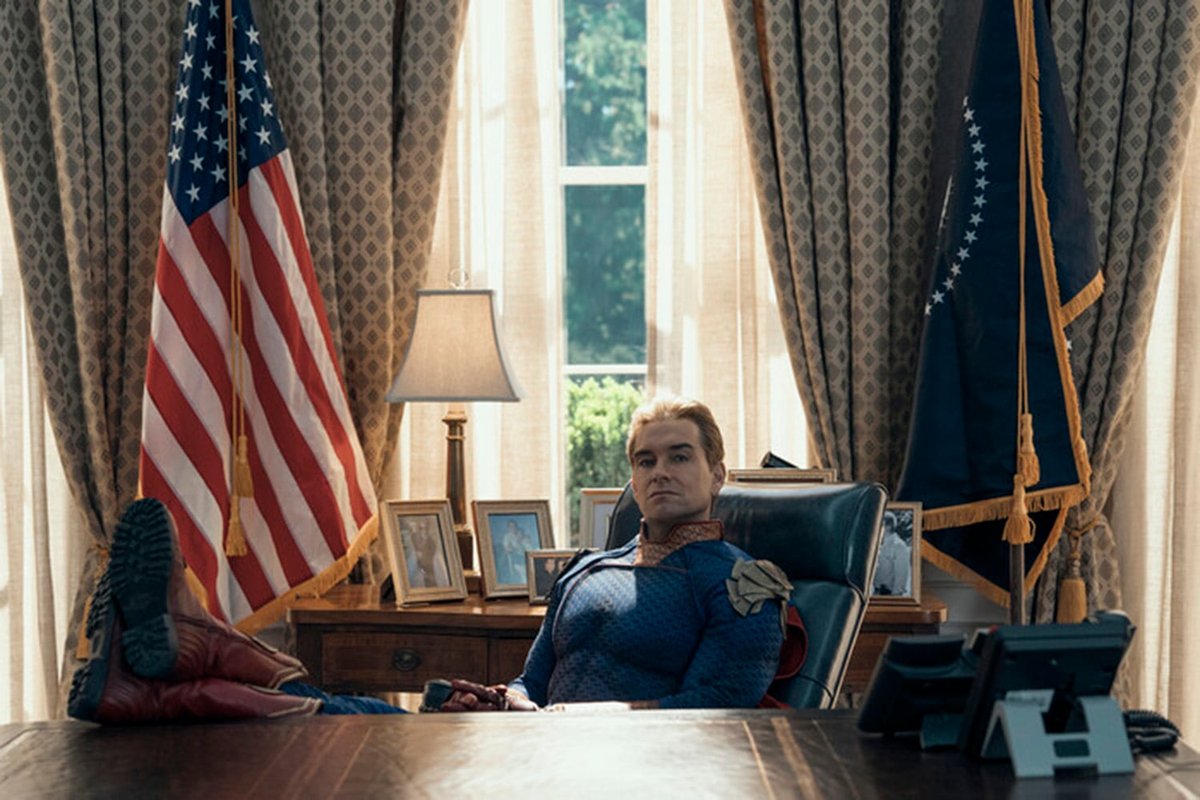
The series The Boys has incorporated explicit satirical elements targeting recent American political developments and figures. The show stands out for its direct approach to contemporary political themes.
Why this matters
Entertainment content that frames current political events can shape public discussion and cultural references around elections and leadership. Viewers encounter these portrayals through widely distributed streaming platforms.
Quick take
- Money Angle
- Streaming platforms continue to invest in politically themed content because it drives subscriber engagement and international distribution revenue.
- Market Impact
- Entertainment companies producing politically charged series may see shifts in audience metrics and advertising interest depending on reception.
- Who Benefits
- The production studio and streaming service gain from heightened discussion and viewership tied to topical political content.
- Who Loses
- Creators of competing entertainment properties may lose relative attention when politically resonant shows dominate cultural conversation.
- What to Watch Next
- Track viewership reports and social-media engagement data for the current season to gauge ongoing audience response.
Perspectives on this story
AI-generated analytical lenses meant to encourage you to think across multiple frames. Not attributed to any individual; not presented as fact.
Household Impact
How this affects family budgets, jobs, and day-to-day life.
Political satire on streaming services provides households with shared cultural reference points that can influence dinner-table or workplace conversations.
America First View
How this lands for readers prioritizing American sovereignty, borders, and domestic industry.
Satirical portrayals of U.S. politics can either reinforce or question narratives about national identity and institutional strength.
Institutional View
How established institutions -- agencies, courts, allied governments -- are likely to frame it.
Media regulators and courts continue to treat entertainment content as protected expression under existing First Amendment precedents.
Civil Liberties View
How this reads through the lens of constitutional rights, free speech, and due process.
Fictional political satire tests the boundaries of protected speech while avoiding direct calls to action that would invite regulatory scrutiny.
National Security View
How this matters for defense posture, intelligence, and adversary deterrence.
Entertainment narratives that touch on political division receive attention from analysts monitoring domestic information environments.
AFBytes analysis is AI-assisted and generated from source metadata, article summaries, and topic context. It is intended to help readers think through implications, not replace the original reporting from foreignpolicy.com. See our AI and Summary Disclosure for details.