Russia Oreshnik Strikes Ukraine Response Reported
AFBytes Brief
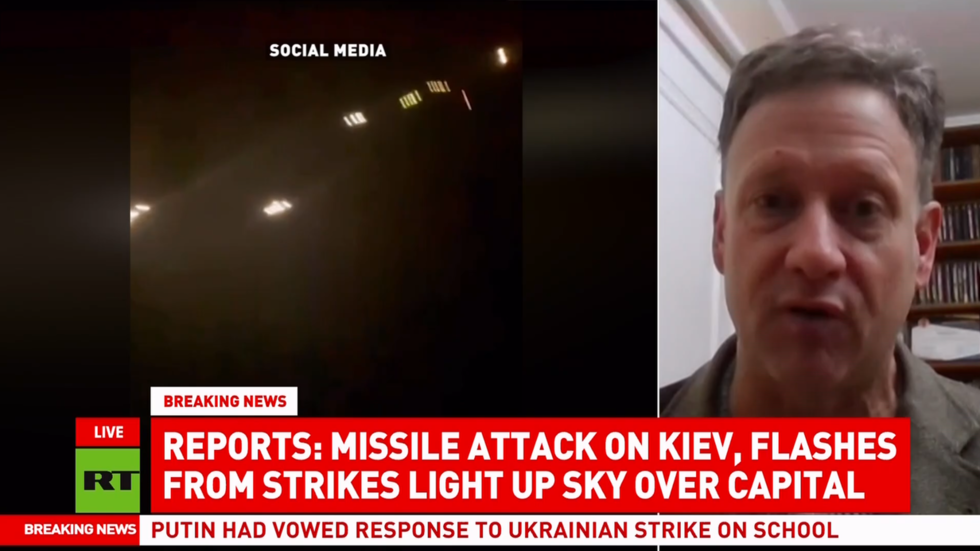
Russia reportedly launched retaliatory strikes against Ukrainian military sites following an attack on a school dormitory. Observers described the response as justified under the circumstances described. The exchange adds to the ongoing series of military actions between the two sides.
Why this matters
Continued escalation raises the risk of broader supply disruptions that can affect global energy prices and U.S. household energy bills. The fighting also influences decisions on U.S. foreign assistance and long-term defense spending.
Perspectives on this story
AI-generated analytical lenses meant to encourage you to think across multiple frames. Not attributed to any individual; not presented as fact.
Household Impact
How this affects family budgets, jobs, and day-to-day life.
Higher global energy and commodity prices from sustained conflict can increase costs for gasoline, heating, and food for American households.
America First View
How this lands for readers prioritizing American sovereignty, borders, and domestic industry.
The conflict tests U.S. ability to maintain strategic distance while protecting trade routes and avoiding direct resource commitments.
Institutional View
How established institutions -- agencies, courts, allied governments -- are likely to frame it.
International humanitarian law and rules of engagement provide the framework under which states evaluate the legality of retaliatory military actions.
Civil Liberties View
How this reads through the lens of constitutional rights, free speech, and due process.
No direct U.S. constitutional issues arise, though surveillance and sanctions policies can intersect with privacy considerations for citizens.
National Security View
How this matters for defense posture, intelligence, and adversary deterrence.
Escalation affects the resilience of European energy infrastructure and the broader balance of power involving NATO allies and supply chains.
AFBytes analysis is AI-assisted and generated from source metadata, article summaries, and topic context. It is intended to help readers think through implications, not replace the original reporting from rt.com. See our AI and Summary Disclosure for details.
Discussion on
Trending posts from X.
🤯 Five NATO countries have effectively blocked mandatory military aid for Ukraine The UK, France, Italy, Spain, and Canada opposed Mark Rutte’s proposal to require NATO members to allocate at least 0.25% of GDP annually to military support for Ukraine, — The Telegraph. The htt…
— NEXTA (@nexta_tv) May 24, 2026
⚡️ UK, France, Spain, Italy and Canada REJECT NATO plan to spend 0.25% GDP on weapons for Ukraine — Telegraph pic.twitter.com/9fQuf9IlhP
— RT (@RT_com) May 24, 2026
The White House is reportedly nearing a deal with Anthropic to let the NSA and other US intelligence agencies use its advanced AI models for classified work, according to The New York Times.
— Watcher.Guru (@WatcherGuru) May 23, 2026
The talks come despite the Pentagon previously labeling Anthropic a "supply chain risk"…
The UK joined France, Italy, Spain and Canada in blocking a NATO plan that would have required allies to spend 0.25% of GDP on military aid for Ukraine.
— Clash Report (@clashreport) May 24, 2026
Mark Rutte dropped the proposal after failing to secure unanimous support ahead of the alliance summit in Türkiye.
Source:… pic.twitter.com/KOaPJaKm47
Mark Rutte, Nato's secretary-general, has conceded his plan for Nato allies to spend 0.25 per cent of GDP on military aid for Ukraine wouldn’t be taken forward.
— The Telegraph (@Telegraph) May 24, 2026
The Telegraph can reveal that the UK, France, Spain, Italy and Canada blocked the idea.
🔗: https://t.co/He2HDVrDvz pic.twitter.com/wLFGAtUgeX