Draft 2027 NDAA proposes multiyear F-15EX and F-35 contracts
AFBytes Brief
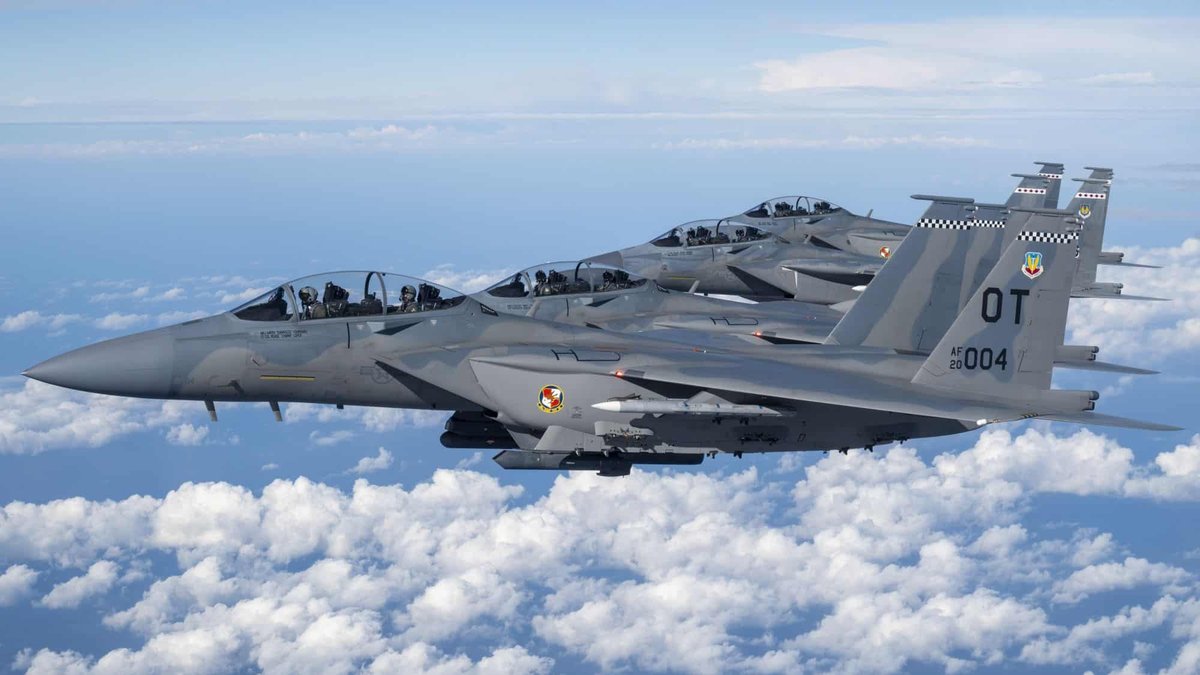
The draft 2027 National Defense Authorization Act includes language authorizing multiyear purchases of F-15EX and F-35 aircraft. Sponsors cite expected cost reductions and improved delivery timelines. The provisions would require final congressional approval and presidential signature.
Why this matters
Multiyear contracts can stabilize production lines and employment in the defense industrial base that supports skilled manufacturing jobs. Cost savings from longer-term orders may reduce per-unit prices paid by taxpayers. Aircraft availability affects military readiness and long-term force structure planning.
Quick take
- Money Angle
- Multiyear procurement commitments can lower unit costs and provide revenue predictability for defense contractors.
- Market Impact
- Major aerospace contractors involved in F-15 and F-35 programs may see improved backlog visibility.
- Who Benefits
- Prime contractors and their supplier networks gain from longer production runs and reduced program risk.
- Who Loses
- Single-year appropriation advocates may see reduced influence if multiyear authority expands.
- What to Watch Next
- Monitor final NDAA conference negotiations and subsequent budget requests for confirmation of multiyear authority.
Perspectives on this story
AI-generated analytical lenses meant to encourage you to think across multiple frames. Not attributed to any individual; not presented as fact.
Household Impact
How this affects family budgets, jobs, and day-to-day life.
More efficient defense spending can moderate pressure on overall federal budgets that influence tax and spending priorities.
America First View
How this lands for readers prioritizing American sovereignty, borders, and domestic industry.
Sustained domestic fighter production strengthens U.S. industrial capacity and reduces reliance on foreign suppliers.
Institutional View
How established institutions -- agencies, courts, allied governments -- are likely to frame it.
The Department of Defense evaluates multiyear contracts against statutory savings thresholds and industrial base assessments.
Civil Liberties View
How this reads through the lens of constitutional rights, free speech, and due process.
No direct civil liberties questions are raised by military aircraft procurement decisions.
National Security View
How this matters for defense posture, intelligence, and adversary deterrence.
Stable production supports fleet modernization timelines and alliance commitments that rely on U.S. airpower.
Adversary View
How foreign rivals are likely to frame this story. Not presented as fact and does not reflect the views of AFBytes.
Competitor nations may interpret sustained U.S. fighter procurement as evidence of long-term air superiority investment.
AFBytes analysis is AI-assisted and generated from source metadata, article summaries, and topic context. It is intended to help readers think through implications, not replace the original reporting from theaviationist.com. See our AI and Summary Disclosure for details.