Trump delays Iran draft deal decision after briefing
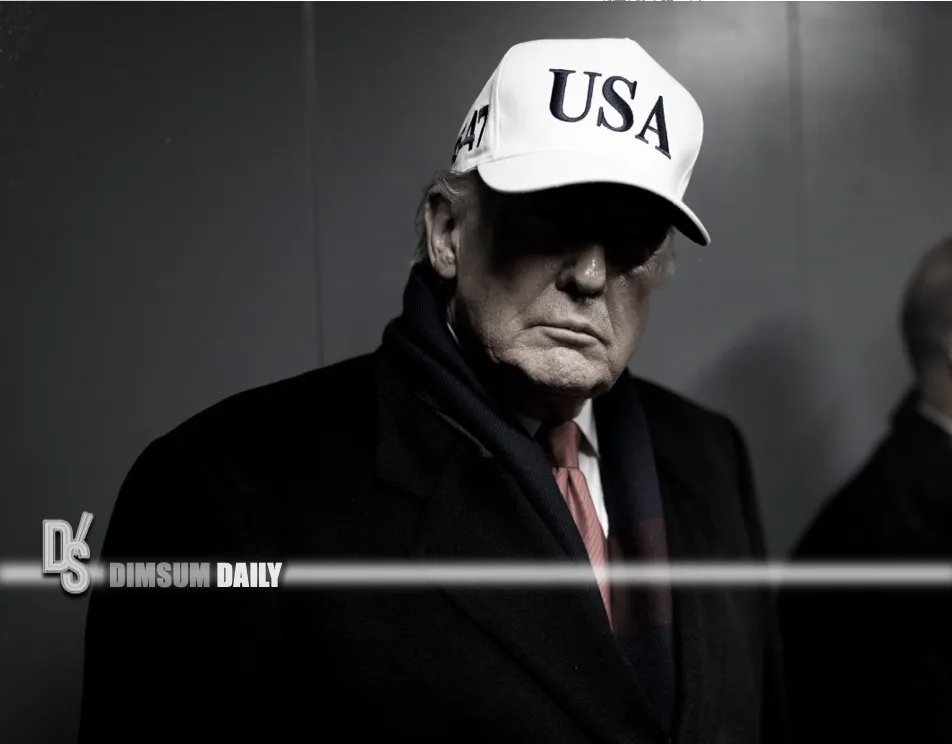
AFBytes Brief
President Trump received a two-hour briefing on a draft agreement with Iran but did not reach a decision. The meeting took place in the White House Situation Room. Earlier signals had suggested momentum toward an accord.
Why this matters
Any eventual agreement could affect energy prices through changes in global oil supply. Trade and sanctions policy also influence U.S. manufacturing costs and consumer goods.
Quick take
- Money Angle
- Sanctions relief or continued restrictions would shift capital flows in global energy markets and affect U.S. producers margins.
- Market Impact
- Oil futures and energy equities would likely move on any announced progress or delay in talks.
- Who Benefits
- U.S. domestic energy producers benefit from sustained sanctions that limit Iranian exports.
- Who Loses
- Iranian energy exporters lose revenue while sanctions remain in place.
- What to Watch Next
- Watch for the next National Security Council readout or State Department statement on the status of the draft.
Perspectives on this story
AI-generated analytical lenses meant to encourage you to think across multiple frames. Not attributed to any individual; not presented as fact.
Household Impact
How this affects family budgets, jobs, and day-to-day life.
Changes in sanctions could alter gasoline and heating oil prices paid by U.S. households.
America First View
How this lands for readers prioritizing American sovereignty, borders, and domestic industry.
The outcome affects U.S. leverage over trade terms and energy independence.
Institutional View
How established institutions -- agencies, courts, allied governments -- are likely to frame it.
The executive branch evaluates the draft under existing statutes governing sanctions and nuclear nonproliferation.
Civil Liberties View
How this reads through the lens of constitutional rights, free speech, and due process.
No direct privacy or due-process issues for U.S. persons are involved.
National Security View
How this matters for defense posture, intelligence, and adversary deterrence.
The talks concern nuclear proliferation risks and regional alliance commitments.
Adversary View
How foreign rivals are likely to frame this story. Not presented as fact and does not reflect the views of AFBytes.
Iranian state media would likely portray continued U.S. hesitation as evidence of internal division and weakening sanctions pressure.
AFBytes analysis is AI-assisted and generated from source metadata, article summaries, and topic context. It is intended to help readers think through implications, not replace the original reporting from dimsumdaily.hk. See our AI and Summary Disclosure for details.