NVIDIA IGX Thor supercomputer targets orbital deployment
AFBytes Brief
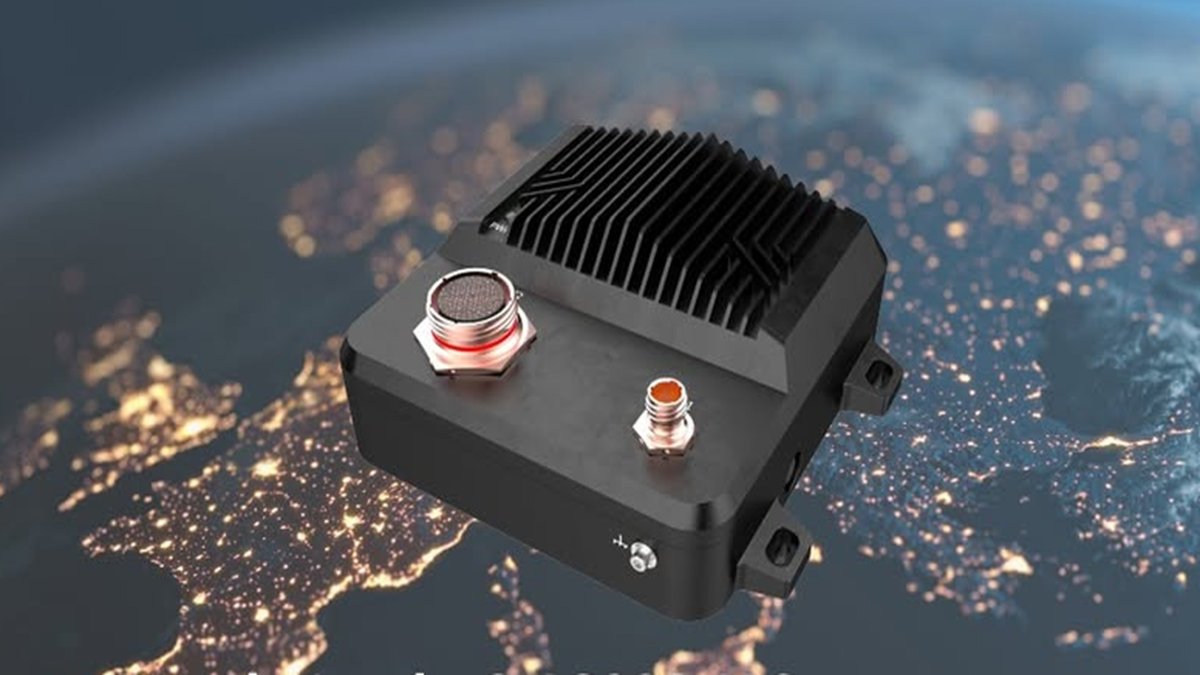
Engineers are developing a rugged NVIDIA IGX Thor-based supercomputer intended to bring high-performance computing into space environments.
Why this matters
Onboard processing in orbit can reduce latency for satellite data and support future defense and commercial space applications.
Quick take
- Money Angle
- Defense and aerospace contractors may see new demand for radiation-hardened, high-performance chips.
- Market Impact
- NVIDIA and space hardware suppliers could experience increased interest in specialized AI accelerators.
- Who Benefits
- Companies supplying radiation-tolerant computing hardware stand to gain from expanded orbital missions.
- Who Loses
- Traditional ground-based data processing providers may face gradual displacement for certain satellite tasks.
- What to Watch Next
- Monitor NASA or commercial launch manifests for the first orbital test of the system.
Perspectives on this story
AI-generated analytical lenses meant to encourage you to think across multiple frames. Not attributed to any individual; not presented as fact.
Household Impact
How this affects family budgets, jobs, and day-to-day life.
Faster satellite data processing can eventually improve weather forecasting and communications services used by households.
America First View
How this lands for readers prioritizing American sovereignty, borders, and domestic industry.
Domestic development of orbital computing hardware supports U.S. leadership in space infrastructure.
Institutional View
How established institutions -- agencies, courts, allied governments -- are likely to frame it.
Space agencies evaluate new computing platforms against reliability and radiation standards for mission assurance.
Civil Liberties View
How this reads through the lens of constitutional rights, free speech, and due process.
No direct civil liberties concerns arise from hardware designed for space applications.
National Security View
How this matters for defense posture, intelligence, and adversary deterrence.
On-orbit processing can enhance real-time intelligence collection and autonomous satellite operations.
Adversary View
How foreign rivals are likely to frame this story. Not presented as fact and does not reflect the views of AFBytes.
Competitor space programs may view U.S. advances in orbital AI hardware as a widening technological gap in satellite capabilities.
AFBytes analysis is AI-assisted and generated from source metadata, article summaries, and topic context. It is intended to help readers think through implications, not replace the original reporting from interestingengineering.com. See our AI and Summary Disclosure for details.