Vietnam warns Asia on superpower conflict risks
AFBytes Brief
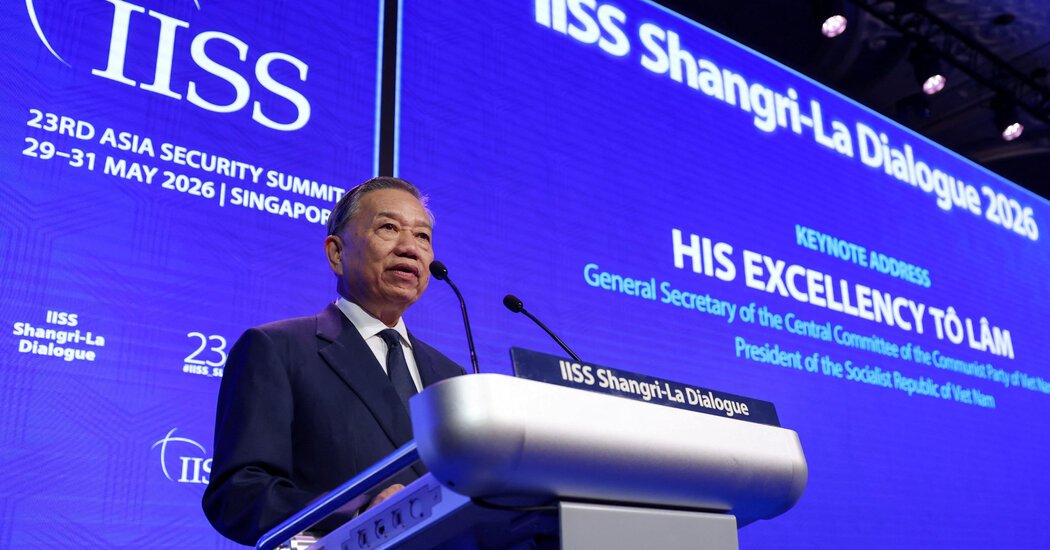
Vietnam's leader To Lam cautioned Asian nations about the dangers of intensifying superpower rivalries and militarism. The statement comes amid ongoing geopolitical tensions in the region.
Why this matters
The warning highlights risks to regional stability that could affect U.S. trade routes and alliance commitments in Asia.
Quick take
- What to Watch Next
- Watch for follow-up diplomatic statements from ASEAN nations on regional security cooperation.
Perspectives on this story
AI-generated analytical lenses meant to encourage you to think across multiple frames. Not attributed to any individual; not presented as fact.
Household Impact
How this affects family budgets, jobs, and day-to-day life.
Escalating tensions could raise energy and goods prices for American households through supply chain disruptions.
America First View
How this lands for readers prioritizing American sovereignty, borders, and domestic industry.
The development underscores the need for stronger U.S. domestic industry and secure trade leverage in Asia.
Institutional View
How established institutions -- agencies, courts, allied governments -- are likely to frame it.
U.S. agencies would assess the statement against existing alliance treaties and regional security protocols.
Civil Liberties View
How this reads through the lens of constitutional rights, free speech, and due process.
No direct civil liberties principle is prominently engaged by this geopolitical statement.
National Security View
How this matters for defense posture, intelligence, and adversary deterrence.
The warning points to potential strains on U.S. deterrence posture and alliance management in the Indo-Pacific.
Adversary View
How foreign rivals are likely to frame this story. Not presented as fact and does not reflect the views of AFBytes.
China is likely to frame the remarks as evidence of U.S. destabilizing influence in the region.
AFBytes analysis is AI-assisted and generated from source metadata, article summaries, and topic context. It is intended to help readers think through implications, not replace the original reporting from uctoday.com. See our AI and Summary Disclosure for details.