Germany Provokes Trump with Humiliation Claim
AFBytes Brief
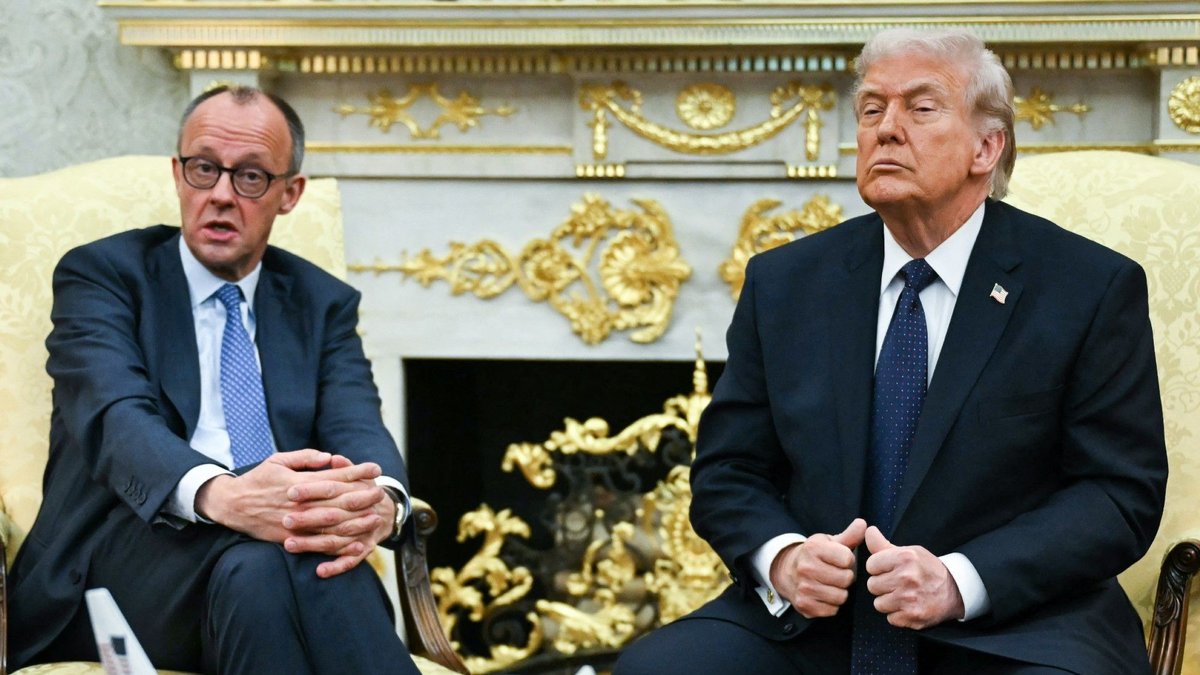
German leader Friedrich Merz criticized U.S. leadership, prompting a strong reaction from President Trump. The comments described America as humiliated, sparking presidential backlash. This exchange escalates tensions between the allies.
Why this matters
U.S.-Germany friction affects trade deals and NATO commitments, influencing jobs in manufacturing for American workers. It raises potential for higher tariffs on imports, hitting consumer prices for cars and goods. Foreign policy spats like this draw on taxpayer-funded diplomacy resources.
Quick take
- Money Angle
- Diplomatic spats risk disrupting transatlantic trade flows, exposing U.S. exporters to retaliatory tariffs.
- Market Impact
- European auto and manufacturing sectors could dip on U.S. trade tension signals, with German firms like Volkswagen pressured.
- Who Benefits
- U.S. manufacturing factions gain leverage for protectionist policies amid allied criticisms.
- Who Loses
- Germany faces potential U.S. trade penalties, hurting its export-driven economy.
- What to Watch Next
- Follow White House statements or upcoming U.S.-EU trade talks for signs of escalation or resolution.
Three takes on this
AI-generated framings meant to encourage you to think. Not attributed to any individual; not presented as fact.
Everyday American
Will this make day-to-day life better or worse for my family?
Trade tensions mean higher prices for imported cars and goods at stores. Workers in U.S. factories might see job protections but risk retaliation. It adds uncertainty to everyday shopping costs.
MAGA Republicans
What this likely confirms or alarms in their worldview.
They cheer Trump's firm response to foreign disrespect, reinforcing America First diplomacy. It validates views on unequal NATO burdens and trade imbalances. The clash underscores need for tough allied negotiations.
Democrats
What this likely confirms or alarms in their worldview.
They criticize the provocative rhetoric as undermining alliances vital for security. It highlights risks to multilateral trade stability. Concerns center on avoiding escalations that burden U.S. consumers.