Scholar PDF Reader Adds Highlight and Comment Tools
AFBytes Brief
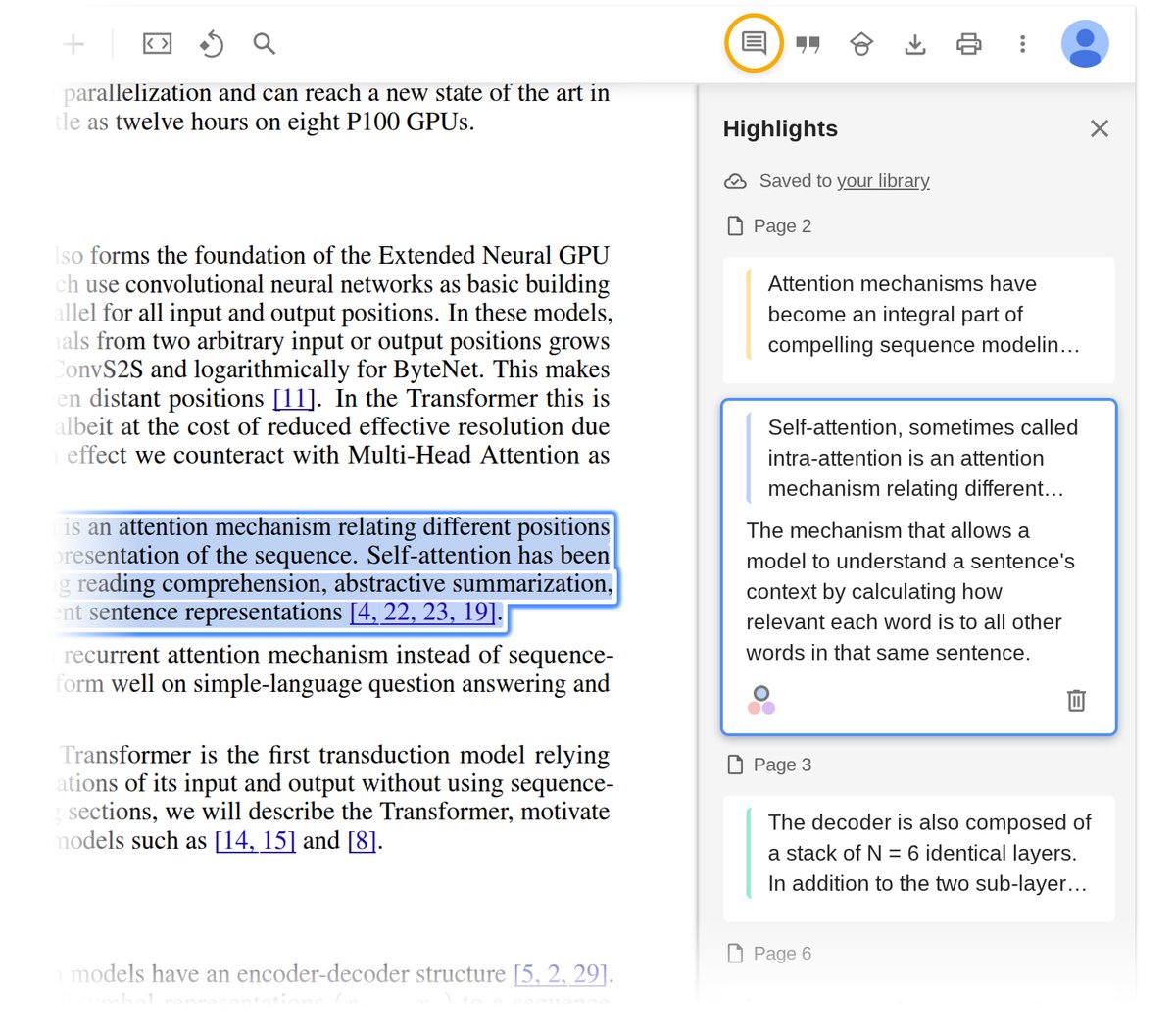
The Scholar PDF Reader update introduces markup features for key passages and notes. Users can now highlight and comment directly within the reader interface. The change targets the growing volume of papers researchers must process.
Why this matters
Enhanced PDF tools can help researchers organize notes more efficiently during literature reviews. This may modestly improve productivity for academics and graduate students. Indirect effects touch education workflows and research output.
Perspectives on this story
AI-generated analytical lenses meant to encourage you to think across multiple frames. Not attributed to any individual; not presented as fact.
Household Impact
How this affects family budgets, jobs, and day-to-day life.
Graduate students and faculty may see small gains in reading efficiency that affect research timelines.
America First View
How this lands for readers prioritizing American sovereignty, borders, and domestic industry.
Better research infrastructure supports U.S. academic competitiveness and domestic knowledge generation.
Institutional View
How established institutions -- agencies, courts, allied governments -- are likely to frame it.
Academic institutions will assess the feature under standard platform update and user-data protocols.
Civil Liberties View
How this reads through the lens of constitutional rights, free speech, and due process.
No material civil liberties issues are raised by basic document annotation capabilities.
National Security View
How this matters for defense posture, intelligence, and adversary deterrence.
No clear national security implications are present in the reader update.
Adversary View
How foreign rivals are likely to frame this story. Not presented as fact and does not reflect the views of AFBytes.
No clear adversary framing applies to this story.
AFBytes analysis is AI-assisted and generated from source metadata, article summaries, and topic context. It is intended to help readers think through implications, not replace the original reporting from scholar.googleblog.com. See our AI and Summary Disclosure for details.