animal poop fungi marsupial habitat study
AFBytes Brief
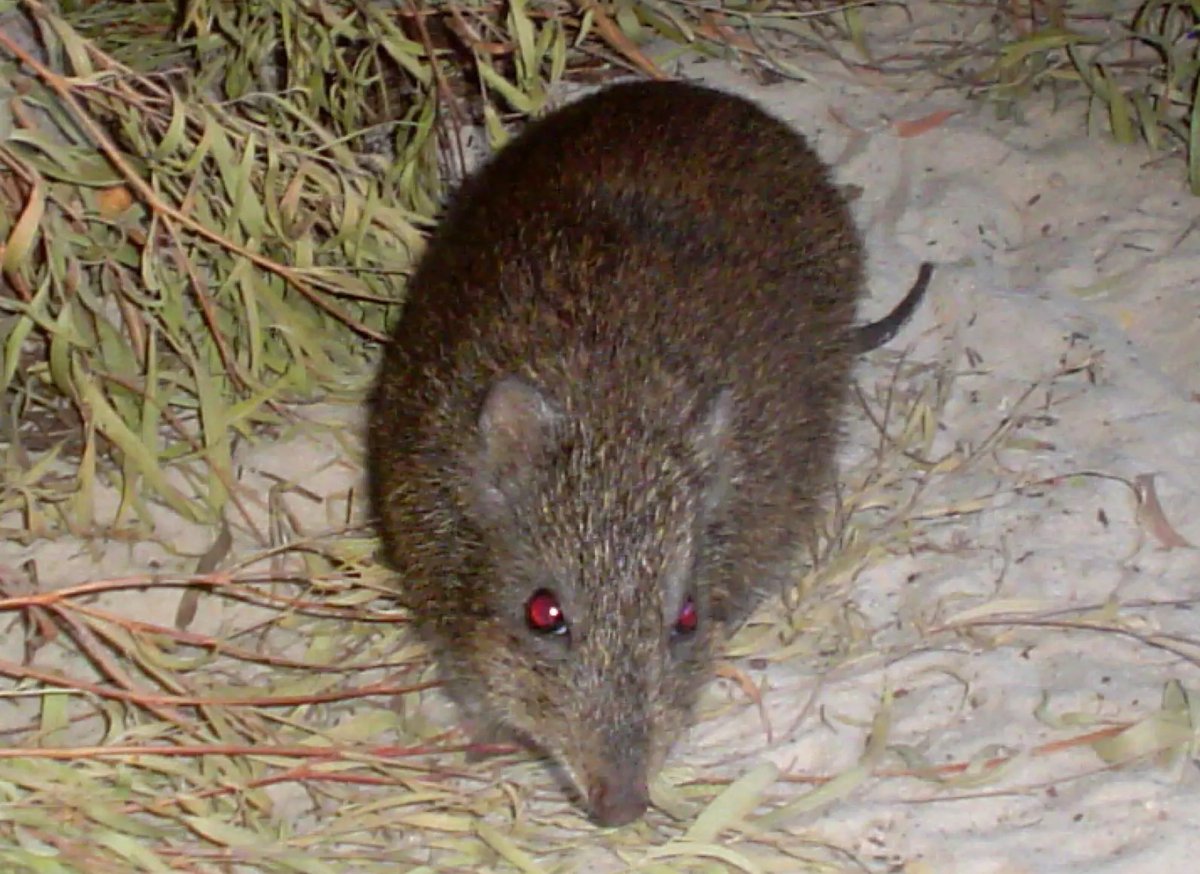
Scientists are analyzing animal droppings to identify habitats containing the underground fungi eaten by Gilbert's potoroo. The goal is to protect remaining populations of the rare marsupial.
Why this matters
The work illustrates how scientific fieldwork supports biodiversity that can indirectly affect global supply chains for medicines and agriculture derived from unique ecosystems.
Perspectives on this story
AI-generated analytical lenses meant to encourage you to think across multiple frames. Not attributed to any individual; not presented as fact.
Household Impact
How this affects family budgets, jobs, and day-to-day life.
Indirect effects on global biodiversity may eventually influence pharmaceutical sourcing and agricultural resilience for American consumers.
America First View
How this lands for readers prioritizing American sovereignty, borders, and domestic industry.
U.S. research funding and international partnerships determine how American institutions contribute to habitat protection abroad.
Institutional View
How established institutions -- agencies, courts, allied governments -- are likely to frame it.
Wildlife agencies apply statutory habitat protection rules and international conservation treaties to guide fieldwork priorities.
Civil Liberties View
How this reads through the lens of constitutional rights, free speech, and due process.
No direct civil liberties issues are raised by the scientific survey methods described.
National Security View
How this matters for defense posture, intelligence, and adversary deterrence.
Biodiversity preservation supports long-term ecological stability that can reduce resource conflicts over time.
Adversary View
How foreign rivals are likely to frame this story. Not presented as fact and does not reflect the views of AFBytes.
No clear adversary framing applies to this story.
AFBytes analysis is AI-assisted and generated from source metadata, article summaries, and topic context. It is intended to help readers think through implications, not replace the original reporting from zmescience.com. See our AI and Summary Disclosure for details.