Russia Sarmat Missile Test Success 2026 Deployment
AFBytes Brief
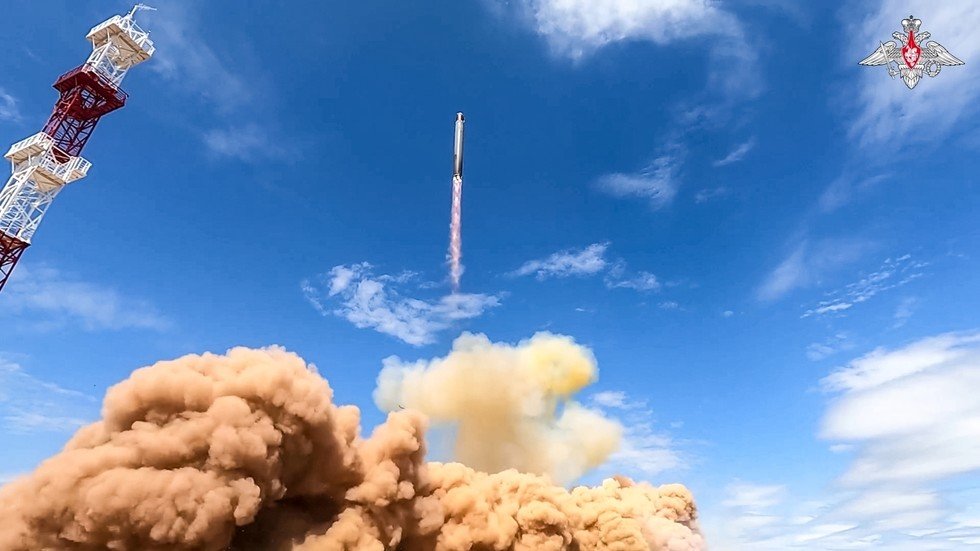
Russia successfully tested its Sarmat intercontinental ballistic missile. Moscow plans to deploy the first regiment by late 2026. The weapon aims to deter adversaries through advanced capabilities.
Why this matters
Advances in Russian missile technology heighten global nuclear risks that could draw U.S. resources into arms race spending. This affects American taxpayers funding defense budgets. Strategic stability impacts U.S. foreign policy commitments.
Quick take
- Market Impact
- Defense stocks with exposure to missile defense systems like RTX may see modest gains on perceived threats.
- What to Watch Next
- Watch for U.S. Defense Department statements on Russian missile deployments to assess response plans.
Three takes on this
AI-generated framings meant to encourage you to think. Not attributed to any individual; not presented as fact.
Everyday American
Will this make day-to-day life better or worse for my family?
This reinforces fears of distant conflicts escalating to broader risks without direct daily impact. Families worry about defense spending diverting funds from domestic needs like schools. The deterrence narrative offers little reassurance for local safety.
MAGA Republicans
What this likely confirms or alarms in their worldview.
They see it as justification for strengthening U.S. missile defenses without new treaties. Russian assertiveness validates America First isolation from arms control deals. Deployment timelines align with critiques of weak deterrence under prior administrations.
Democrats
What this likely confirms or alarms in their worldview.
They stress the importance of renewed arms control talks to manage escalation risks. Sarmat advances highlight needs for diplomatic engagement over militarization. Emphasis falls on multilateral stability to protect global security.