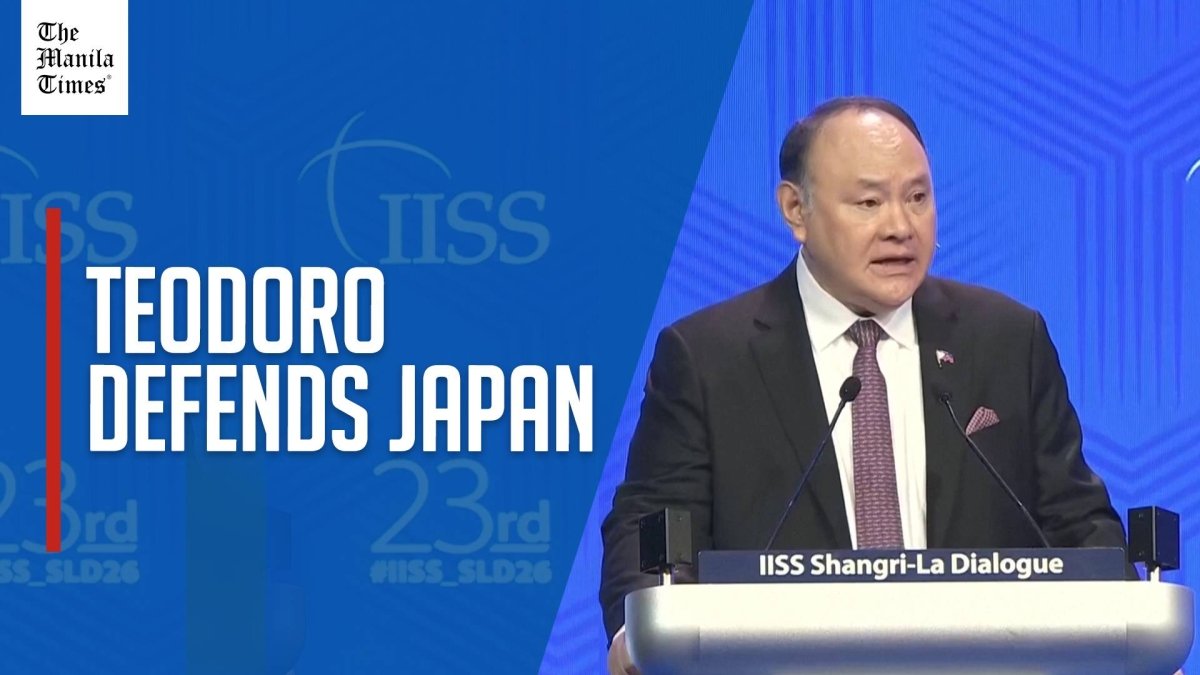
Philippine official calls Japan militarism charge unfair
AFBytes Brief
The Philippine Defense Secretary described accusations of Japanese militarism as unfair during recent comments on bilateral defense cooperation. The statement comes amid ongoing regional security discussions involving multiple Asian nations.
Why this matters
Regional security tensions affect U.S. alliance commitments and trade routes in the South China Sea. Stable Philippines-Japan ties support supply chain resilience for electronics and shipping.
Quick take
- Money Angle
- Defense cooperation between the Philippines and Japan influences regional arms procurement budgets and joint infrastructure financing.
- Market Impact
- Defense contractors and shipbuilders in Japan and the U.S. may see modest positive sentiment on sustained alliance spending signals.
- Who Benefits
- Japanese defense exporters benefit from clearer political support for expanded regional partnerships.
- Who Loses
- Chinese state media narratives lose ground when regional partners publicly reject militarism framing.
- What to Watch Next
- Watch for the next Philippines-Japan joint statement or naval exercise date to gauge follow-through on cooperation pledges.
Perspectives on this story
AI-generated analytical lenses meant to encourage you to think across multiple frames. Not attributed to any individual; not presented as fact.
Household Impact
How this affects family budgets, jobs, and day-to-day life.
Stable regional alliances reduce risk of supply disruptions that could raise consumer prices for imported goods.
America First View
How this lands for readers prioritizing American sovereignty, borders, and domestic industry.
Closer Philippines-Japan ties complement U.S. efforts to strengthen partner capacity without direct American troop increases.
Institutional View
How established institutions -- agencies, courts, allied governments -- are likely to frame it.
Defense ministries view the exchange as routine alliance management under existing bilateral agreements.
Civil Liberties View
How this reads through the lens of constitutional rights, free speech, and due process.
No direct constitutional rights issues are raised by the diplomatic exchange itself.
National Security View
How this matters for defense posture, intelligence, and adversary deterrence.
The remarks reinforce deterrence messaging toward maritime claims in the South China Sea.
Adversary View
How foreign rivals are likely to frame this story. Not presented as fact and does not reflect the views of AFBytes.
Chinese state outlets are likely to portray the Philippine statement as U.S.-influenced pressure on regional autonomy.
AFBytes analysis is AI-assisted and generated from source metadata, article summaries, and topic context. It is intended to help readers think through implications, not replace the original reporting from manilatimes.net. See our AI and Summary Disclosure for details.