Federal Reserve data shows U.S. household wealth shares
AFBytes Brief
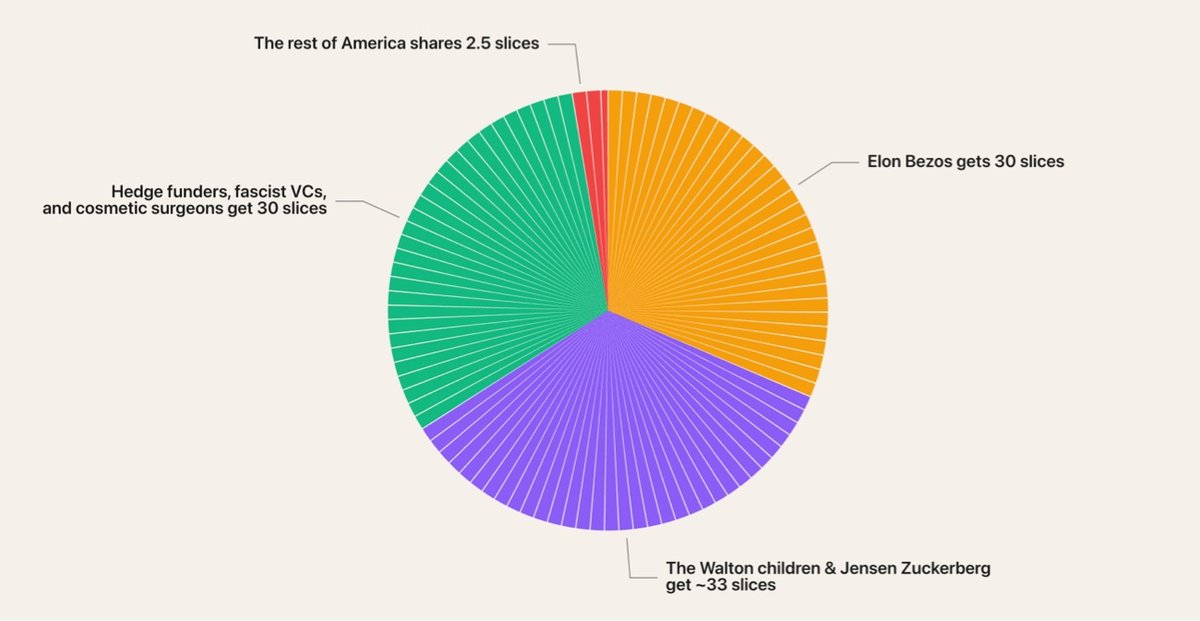
A visualization based on Federal Reserve Distribution of Household Wealth data depicts wealth shares among 100 representative individuals since 1989.
Why this matters
Wealth distribution patterns influence retirement savings outcomes, homeownership rates, and intergenerational transfers for American families.
Quick take
- Money Angle
- Shifts in wealth concentration affect capital allocation across asset classes and consumer spending capacity.
- Market Impact
- Equity and real estate markets may experience sentiment shifts when wealth concentration metrics are updated.
- Who Benefits
- Asset owners in equities and real estate benefit from sustained wealth concentration trends.
- Who Loses
- Households with limited asset holdings face slower wealth accumulation relative to top segments.
- What to Watch Next
- Review the next Federal Reserve Distribution of Household Wealth quarterly release for updated percentile shares.
Perspectives on this story
AI-generated analytical lenses meant to encourage you to think across multiple frames. Not attributed to any individual; not presented as fact.
Household Impact
How this affects family budgets, jobs, and day-to-day life.
Wealth concentration levels affect access to homeownership and retirement savings growth for middle-income families.
America First View
How this lands for readers prioritizing American sovereignty, borders, and domestic industry.
Domestic wealth patterns influence the strength of the internal consumer market and industrial investment base.
Institutional View
How established institutions -- agencies, courts, allied governments -- are likely to frame it.
The Federal Reserve uses distributional accounts to inform monetary policy assessments under its statutory mandate.
National Security View
How this matters for defense posture, intelligence, and adversary deterrence.
Broad-based wealth supports a resilient domestic industrial and defense industrial base.
AFBytes analysis is AI-assisted and generated from source metadata, article summaries, and topic context. It is intended to help readers think through implications, not replace the original reporting from kottke.org. See our AI and Summary Disclosure for details.