Anesthetic Traces Found on Ming Surgical Tools
AFBytes Brief
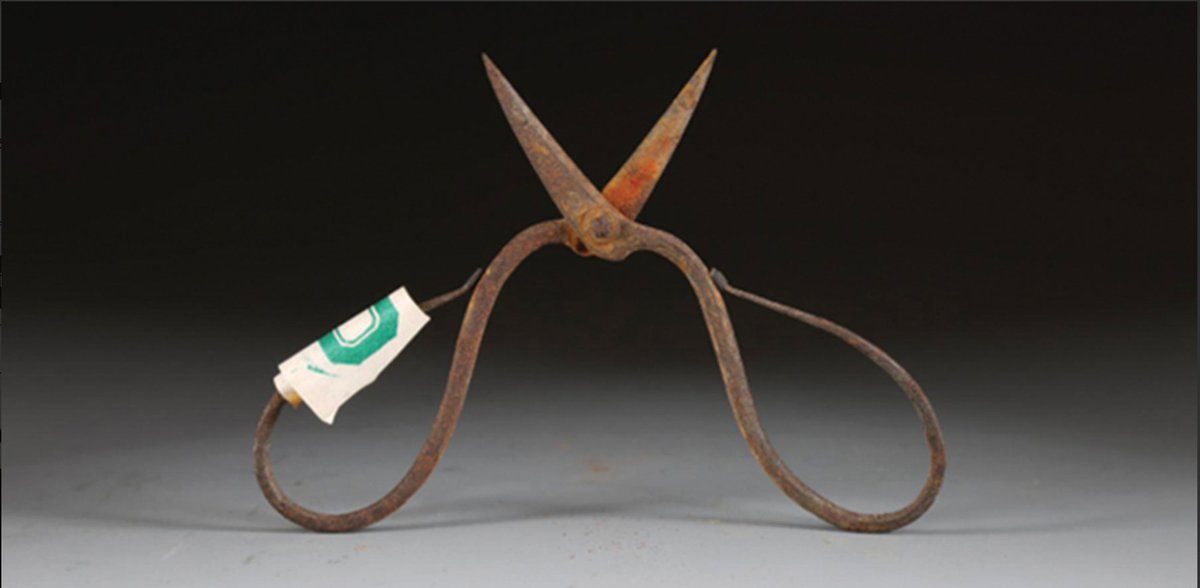
Researchers identified anesthetic residues on Ming Dynasty surgical instruments recovered in Jiangyin, China. The discovery provides new insight into historical surgical practices.
Why this matters
The find adds to historical medical knowledge but carries no immediate implications for current American healthcare or policy.
Perspectives on this story
AI-generated analytical lenses meant to encourage you to think across multiple frames. Not attributed to any individual; not presented as fact.
Household Impact
How this affects family budgets, jobs, and day-to-day life.
The historical finding does not affect household medical costs or access.
America First View
How this lands for readers prioritizing American sovereignty, borders, and domestic industry.
U.S. museums and researchers may incorporate the data into broader studies of global medical history.
Institutional View
How established institutions -- agencies, courts, allied governments -- are likely to frame it.
Academic institutions evaluate such discoveries through standard peer-review channels.
Civil Liberties View
How this reads through the lens of constitutional rights, free speech, and due process.
No rights or liberties are engaged by analysis of ancient artifacts.
National Security View
How this matters for defense posture, intelligence, and adversary deterrence.
No defense or infrastructure implications arise from the report.
AFBytes analysis is AI-assisted and generated from source metadata, article summaries, and topic context. It is intended to help readers think through implications, not replace the original reporting from archaeology.org. See our AI and Summary Disclosure for details.