Pope Leo issues encyclical on artificial intelligence
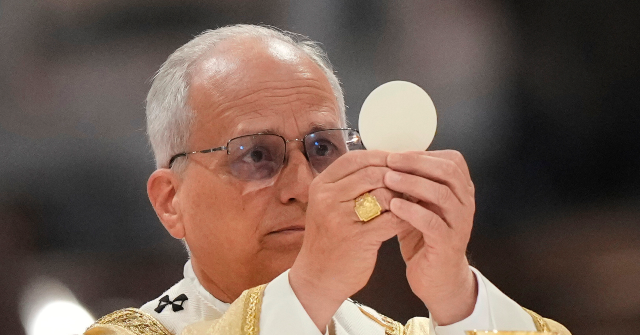
AFBytes Brief
Pope Leo XIV released an encyclical centered on artificial intelligence and human dignity. The text examines how technology intersects with moral and social questions.
Why this matters
Religious guidance on AI may shape public debate over technology ethics and regulation.
Quick take
- Who Benefits
- Organizations focused on AI ethics gain additional framing for their positions.
- What to Watch Next
- Monitor responses from technology firms and ethicists following the encyclical release.
Perspectives on this story
AI-generated analytical lenses meant to encourage you to think across multiple frames. Not attributed to any individual; not presented as fact.
Household Impact
How this affects family budgets, jobs, and day-to-day life.
Ethical AI guidelines may eventually influence consumer product design and data practices.
America First View
How this lands for readers prioritizing American sovereignty, borders, and domestic industry.
International religious statements can affect global technology norms adopted in the U.S.
Institutional View
How established institutions -- agencies, courts, allied governments -- are likely to frame it.
Policymakers may reference moral frameworks when drafting AI governance measures.
Civil Liberties View
How this reads through the lens of constitutional rights, free speech, and due process.
The encyclical engages questions of human dignity in automated decision systems.
National Security View
How this matters for defense posture, intelligence, and adversary deterrence.
Moral guidance on AI can inform allied discussions on responsible technology use.
AFBytes analysis is AI-assisted and generated from source metadata, article summaries, and topic context. It is intended to help readers think through implications, not replace the original reporting from breitbart.com. See our AI and Summary Disclosure for details.