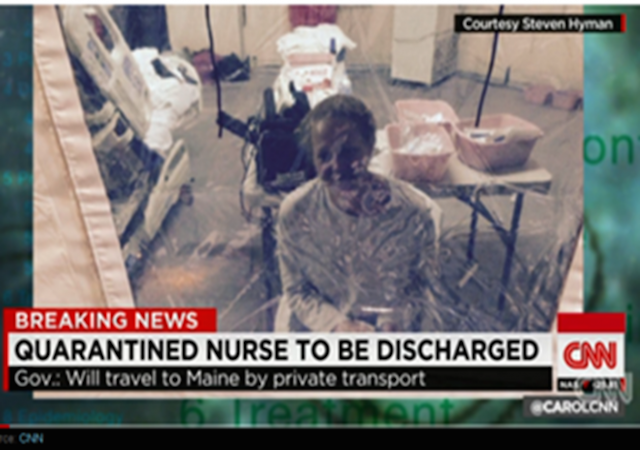
2014 Ebola cases inform current border policy
AFBytes Brief
The article connects experiences from the 2014 Ebola outbreak in Texas to present-day entry screening measures.
Why this matters
Border health screening policies affect traveler safety and the cost of managing potential outbreaks.
Perspectives on this story
AI-generated analytical lenses meant to encourage you to think across multiple frames. Not attributed to any individual; not presented as fact.
Household Impact
How this affects family budgets, jobs, and day-to-day life.
Effective screening reduces the risk of imported health threats reaching communities.
America First View
How this lands for readers prioritizing American sovereignty, borders, and domestic industry.
Border controls are presented as tools to protect domestic public health infrastructure.
Institutional View
How established institutions -- agencies, courts, allied governments -- are likely to frame it.
Public health agencies rely on statutory authority to implement entry screening protocols.
Civil Liberties View
How this reads through the lens of constitutional rights, free speech, and due process.
Entry restrictions raise questions around travel rights and equal protection under the law.
National Security View
How this matters for defense posture, intelligence, and adversary deterrence.
Pandemic preparedness forms part of national resilience and critical infrastructure protection.
Adversary View
How foreign rivals are likely to frame this story. Not presented as fact and does not reflect the views of AFBytes.
No clear adversary framing applies to this story.
AFBytes analysis is AI-assisted and generated from source metadata, article summaries, and topic context. It is intended to help readers think through implications, not replace the original reporting from legalinsurrection.com. See our AI and Summary Disclosure for details.