Net-Zero Commitments Dropping Post-Trump
AFBytes Brief
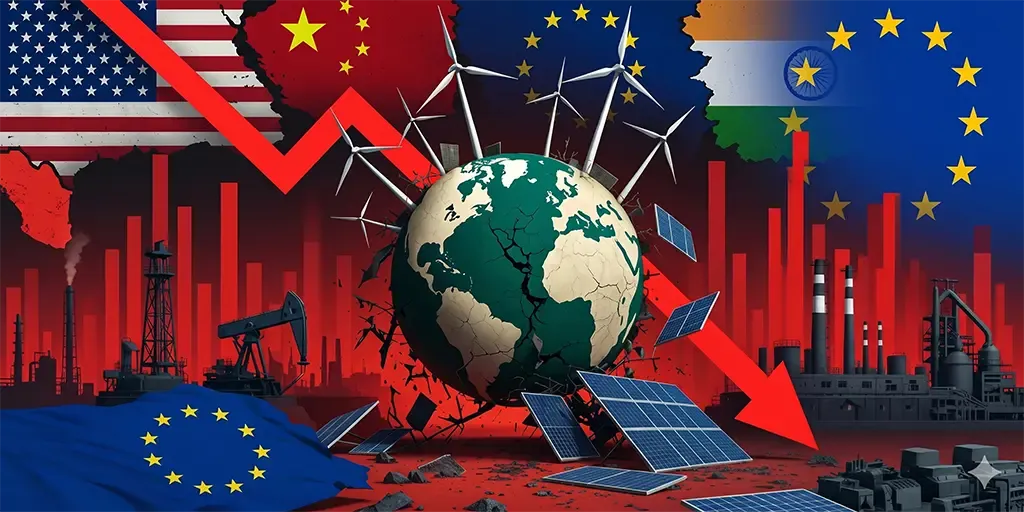
Countries and industries scale back net-zero pledges following U.S. political shifts. Trump's inauguration correlates with reduced climate alarmism in sectors. Public and private entities reassess commitments.
Why this matters
Abandoning net-zero targets eases regulatory burdens on energy and manufacturing, lowering costs for consumers but risking long-term environmental policy reversals; U.S. leadership influences global energy transitions, affecting trade and alliances.
Quick take
- Money Angle
- Reduces compliance costs for net-zero mandates.
- Market Impact
- Energy stocks, commodities like oil.
- Who Benefits
- Fossil fuel industries, U.S. manufacturers.
- Who Loses
- Renewable energy firms.
- What to Watch Next
- Monitor announcements from major firms on emissions targets.
Perspectives on this story
AI-generated analytical lenses meant to encourage you to think across multiple frames. Not attributed to any individual; not presented as fact.
Household Impact
How this affects family budgets, jobs, and day-to-day life.
Lower energy prices from relaxed rules help family budgets at the pump and utilities. They react favorably to practical relief over abstract goals.
America First View
How this lands for readers prioritizing American sovereignty, borders, and domestic industry.
They celebrate rollback as victory against costly green agendas harming jobs. Fits their economic nationalism prioritizing American industry.
Institutional View
How established institutions -- agencies, courts, allied governments -- are likely to frame it.
They decry retreat as setback for climate action endangering future generations. Aligns with urgency for emissions reductions.
AFBytes analysis is AI-assisted and generated from source metadata, article summaries, and topic context. It is intended to help readers think through implications, not replace the original reporting from wattsupwiththat.com. See our AI and Summary Disclosure for details.