Oura Ring 5 Launches Slimmer Smarter Health Tracking
AFBytes Brief
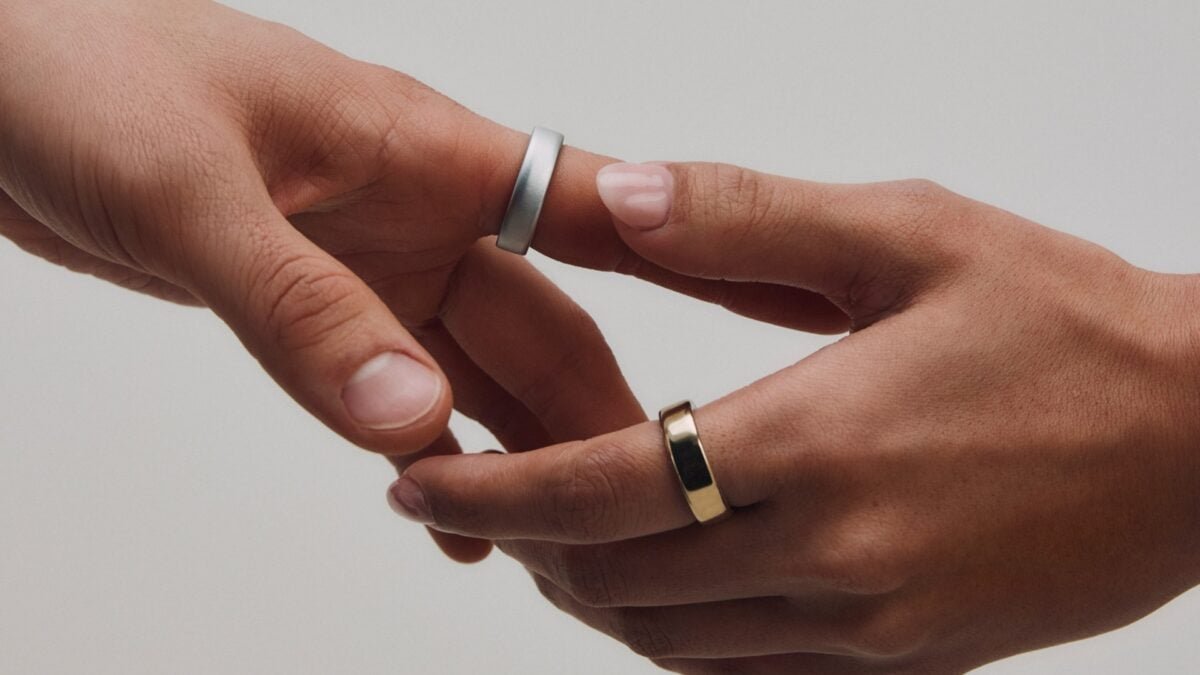
Oura introduced the Ring 5 as its slimmest smart ring model to date. The device adds more precise health sensors while reducing overall bulk for everyday wear.
Why this matters
New wearable designs like the Oura Ring 5 can shift household spending toward personal health monitoring tools that track sleep, activity, and recovery metrics.
Quick take
- Money Angle
- Sales of premium health wearables drive recurring subscription revenue for device makers through app-based data services.
- Market Impact
- The consumer electronics wearables segment may see modest upward pressure on established brands as new entrants highlight design improvements.
- Who Benefits
- Oura gains from differentiation in a competitive market by offering smaller form factors that appeal to users seeking comfort.
- Who Loses
- Traditional larger smartwatch makers may face incremental pressure if consumers shift preference toward compact ring alternatives.
- What to Watch Next
- Monitor quarterly sales reports from Oura and peer wearable firms to assess adoption rates of next-generation health rings.
Perspectives on this story
AI-generated analytical lenses meant to encourage you to think across multiple frames. Not attributed to any individual; not presented as fact.
Household Impact
How this affects family budgets, jobs, and day-to-day life.
Families may allocate small portions of discretionary budgets to devices that provide ongoing personal health insights without requiring frequent charging.
America First View
How this lands for readers prioritizing American sovereignty, borders, and domestic industry.
U.S. consumers benefit when domestic companies advance wearable technology that reduces reliance on foreign hardware imports.
Institutional View
How established institutions -- agencies, courts, allied governments -- are likely to frame it.
Health agencies evaluate accuracy claims of consumer devices to determine potential integration with public wellness programs.
Civil Liberties View
How this reads through the lens of constitutional rights, free speech, and due process.
Continuous biometric collection through wearables raises ongoing questions about individual control over personal health data.
National Security View
How this matters for defense posture, intelligence, and adversary deterrence.
Component sourcing for advanced sensors touches broader supply chain resilience for consumer electronics.
Adversary View
How foreign rivals are likely to frame this story. Not presented as fact and does not reflect the views of AFBytes.
No clear adversary framing applies to this story.
AFBytes analysis is AI-assisted and generated from source metadata, article summaries, and topic context. It is intended to help readers think through implications, not replace the original reporting from gizmodo.com. See our AI and Summary Disclosure for details.