Shots Fired in Philippines Senate Amid Dynasty Rivalry
AFBytes Brief
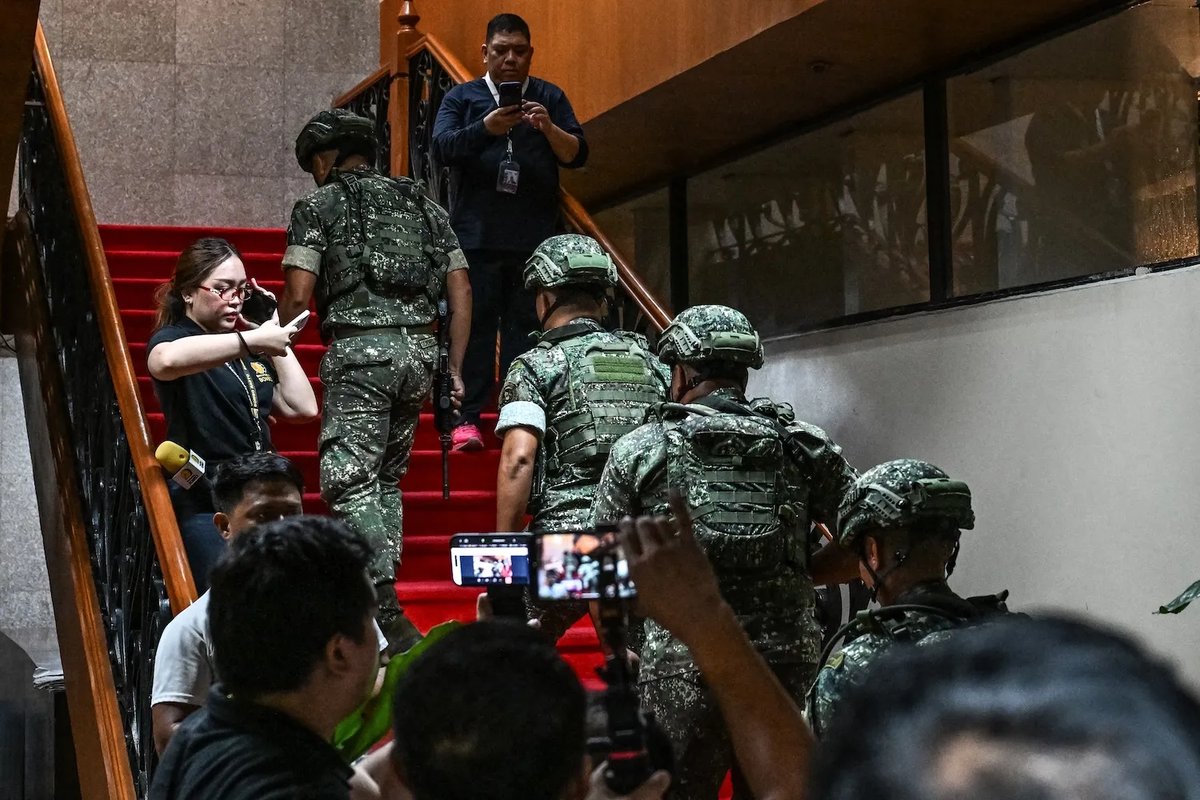
Gunfire erupted inside the Philippine Senate during a session, marking the latest escalation in a long-running rivalry between two powerful political families. The incident underscores deep factional divisions within the country's legislative body. No immediate casualties were reported but the event highlights ongoing governance challenges.
Why this matters
Instability in the Philippines can influence U.S. trade routes and military cooperation in the Indo-Pacific region that affects American supply chains. Political violence in allied nations raises questions about regional security commitments that involve U.S. forces and defense spending.
Quick take
- What to Watch Next
- Observers will watch the Philippine government's official investigation report for clues on whether the incident leads to broader political realignments.
Perspectives on this story
AI-generated analytical lenses meant to encourage you to think across multiple frames. Not attributed to any individual; not presented as fact.
Household Impact
How this affects family budgets, jobs, and day-to-day life.
Political violence in the Philippines can indirectly raise costs for U.S. consumers through disrupted electronics and agricultural supply chains.
America First View
How this lands for readers prioritizing American sovereignty, borders, and domestic industry.
Stable governance in the Philippines supports U.S. efforts to maintain influence and secure trade lanes in Southeast Asia without additional military commitments.
Institutional View
How established institutions -- agencies, courts, allied governments -- are likely to frame it.
The Philippine Senate and judiciary will evaluate the incident under existing legislative rules and criminal statutes governing conduct inside the chamber.
Civil Liberties View
How this reads through the lens of constitutional rights, free speech, and due process.
The event raises questions about security protocols and the right to safe legislative proceedings for elected representatives.
National Security View
How this matters for defense posture, intelligence, and adversary deterrence.
Heightened political tensions in the Philippines could affect joint U.S.-Philippine military exercises and regional deterrence against external actors.
AFBytes analysis is AI-assisted and generated from source metadata, article summaries, and topic context. It is intended to help readers think through implications, not replace the original reporting from foreignpolicy.com. See our AI and Summary Disclosure for details.