Apple Design Choices Face Legibility Criticism
AFBytes Brief
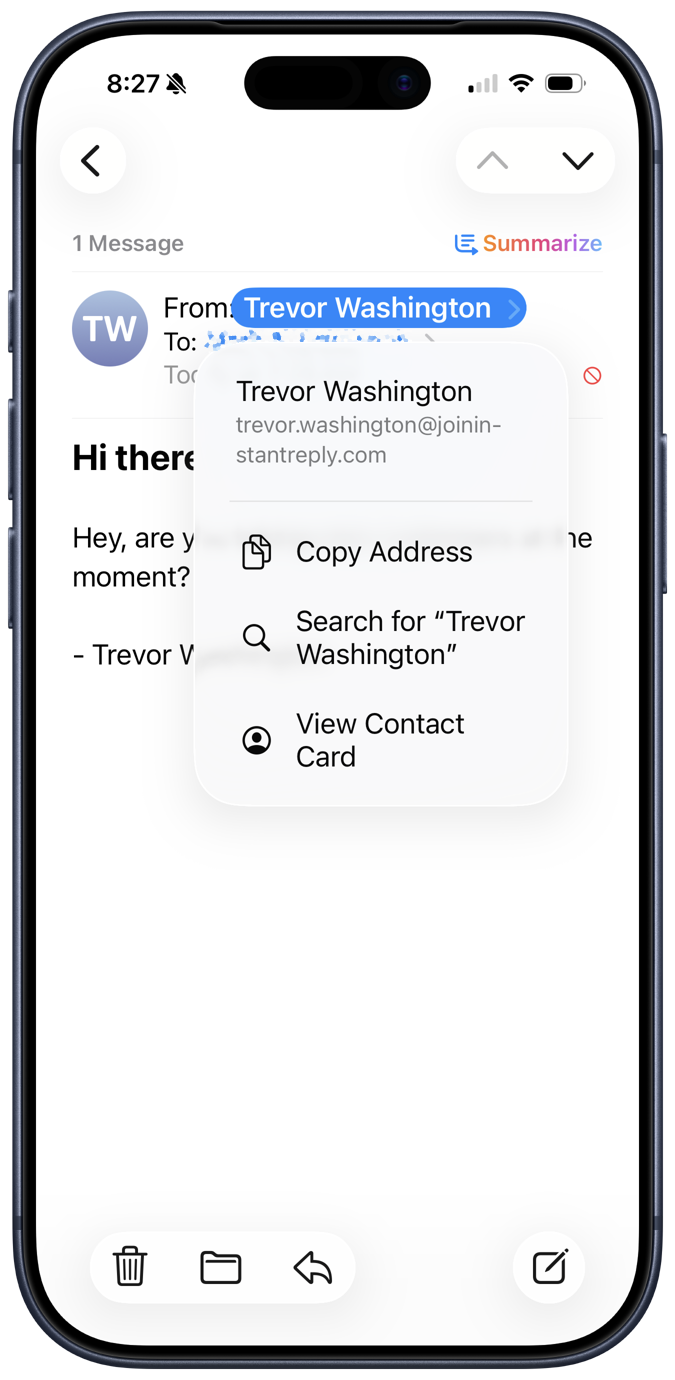
Critics highlight Apple's design decisions prioritizing aesthetics over readability in recent products. Complaints focus on transparency and color choices that hinder legibility. These issues spark debate on user experience versus visual style.
Why this matters
Americans relying on Apple devices for work and daily tasks face potential frustration from poor interface clarity. This affects productivity for professionals and accessibility for older users or those with vision issues. It influences consumer choices in a market dominating personal tech.
Quick take
- Money Angle
- Apple's design choices risk eroding user trust and sales if legibility issues lead to broader backlash.
- Market Impact
- AAPL stock could face minor pressure from user dissatisfaction complaints amplified on social media.
- Who Benefits
- Competitors like Samsung gain from Apple's missteps in usability drawing switchers seeking clearer interfaces.
- Who Loses
- Apple users with accessibility needs suffer from designs that prioritize style over function.
- What to Watch Next
- Watch Apple's next software update release for any legibility fixes signaling responsiveness to feedback.
Three takes on this
AI-generated framings meant to encourage you to think. Not attributed to any individual; not presented as fact.
Everyday American
Will this make day-to-day life better or worse for my family?
Families using iPhones daily might find blurry text annoying during routine tasks like reading emails. This raises small frustrations in device costs already high for households. It prompts consideration of alternatives for better usability.
MAGA Republicans
What this likely confirms or alarms in their worldview.
They may criticize Apple for elitist designs ignoring average users in favor of flashy aesthetics. This fits views on big tech arrogance over practical needs. It bolsters arguments for less regulation allowing market competition to punish flaws.
Democrats
What this likely confirms or alarms in their worldview.
They could emphasize accessibility failures harming vulnerable groups like the elderly or disabled. This aligns with pushes for inclusive tech design standards. It supports calls for corporate accountability in product safety and usability.