Eurovision 2026 Faces Major Boycott Over Israel
AFBytes Brief
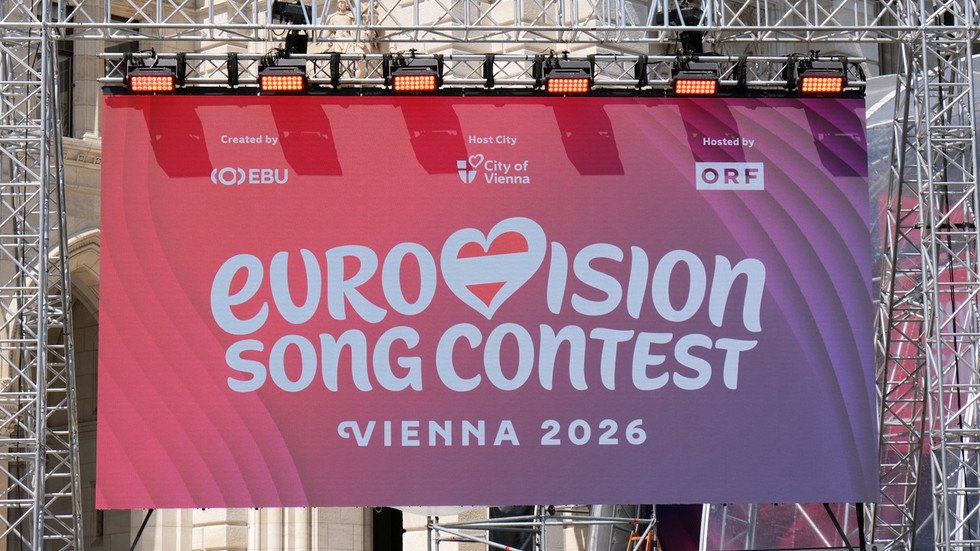
Eurovision 2026 encounters its largest boycott in history with five countries withdrawing over Israel's involvement. The event faces significant backlash. This marks a notable challenge in its 70-year run.
Why this matters
International boycotts highlight geopolitical tensions spilling into cultural events, potentially affecting U.S. foreign policy views on alliances. Americans following global entertainment see shifts in event participation. It underscores civil liberties debates around free expression.
Quick take
- Who Loses
- Participating countries and organizers lose from reduced event scale and viewership.
Three takes on this
AI-generated framings meant to encourage you to think. Not attributed to any individual; not presented as fact.
Everyday American
Will this make day-to-day life better or worse for my family?
Families enjoy Eurovision as light entertainment, but boycotts disrupt viewing traditions without direct cost impact. Neighborhood safety remains unaffected. It feels distant from daily U.S. life concerns.
MAGA Republicans
What this likely confirms or alarms in their worldview.
They frame it as anti-Israel bias from left-leaning Europeans, affirming support for allies. Boycotts signal cultural overreach. This bolsters isolationist views on foreign entanglements.
Democrats
What this likely confirms or alarms in their worldview.
Emphasis falls on protest rights against perceived injustices, supporting participant withdrawals. It aligns with human rights advocacy. They see it as principled stands in global forums.