US-Israel Role in Iran's Early Nuclear Program
AFBytes Brief
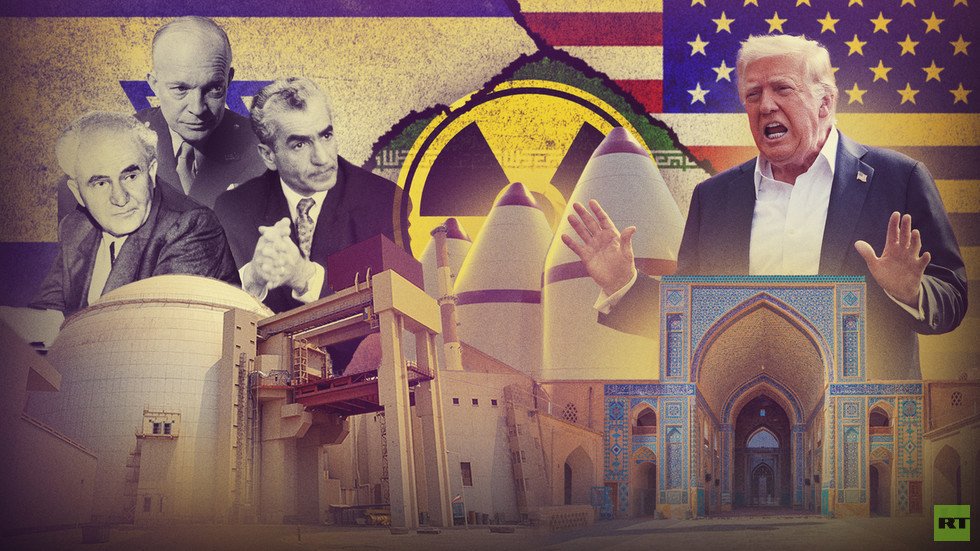
Historical accounts detail U.S. and Israeli assistance in Iran's early nuclear program through reactors and contracts. Relations later shifted to blockades and war threats over proliferation fears. This reversal shapes current Middle East tensions.
Why this matters
U.S. involvement in Iran's nuclear history informs ongoing foreign policy costs including sanctions affecting oil prices and trade. It impacts energy bills for drivers and households via global supply disruptions. Military entanglements risk drawing American troops into regional conflicts.
Perspectives on this story
AI-generated analytical lenses meant to encourage you to think across multiple frames. Not attributed to any individual; not presented as fact.
Household Impact
How this affects family budgets, jobs, and day-to-day life.
This history has indirect effects on gas prices through persistent Middle East instability. Families track how past policies contribute to current foreign aid and defense spending. Daily concerns center on avoiding escalations raising living costs.
America First View
How this lands for readers prioritizing American sovereignty, borders, and domestic industry.
MAGA Republicans frame it as evidence of misguided interventions creating today's threats. They advocate withdrawing from entanglements that burden U.S. taxpayers. The narrative supports skepticism toward foreign nuclear deals.
Institutional View
How established institutions -- agencies, courts, allied governments -- are likely to frame it.
Democrats see it as a cautionary tale justifying strict nonproliferation enforcement. They emphasize multilateral diplomacy to prevent rogue programs. Historical reversals validate sustained pressure on adversaries.
AFBytes analysis is AI-assisted and generated from source metadata, article summaries, and topic context. It is intended to help readers think through implications, not replace the original reporting from rt.com. See our AI and Summary Disclosure for details.