Asteroid Strike Location Shaped Dinosaur Extinction
AFBytes Brief
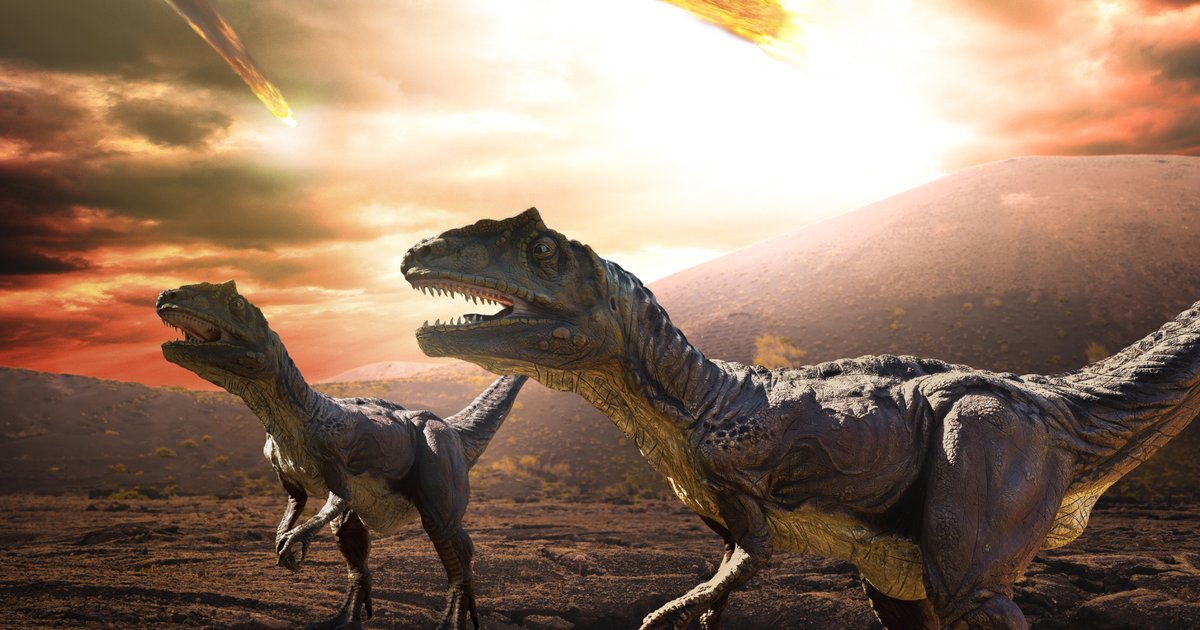
Researchers determined the Chicxulub asteroid struck a sulphur-rich shallow seabed, releasing soot and aerosols that worsened climate effects. The specific geology amplified the extinction event.
Why this matters
Understanding historical mass extinctions provides context for planetary science but has limited immediate effect on daily American life.
Perspectives on this story
AI-generated analytical lenses meant to encourage you to think across multiple frames. Not attributed to any individual; not presented as fact.
Household Impact
How this affects family budgets, jobs, and day-to-day life.
The research has no direct bearing on household budgets or local services.
America First View
How this lands for readers prioritizing American sovereignty, borders, and domestic industry.
U.S. scientific institutions continue to lead in planetary geology studies.
Institutional View
How established institutions -- agencies, courts, allied governments -- are likely to frame it.
NASA and NSF evaluate such findings under standard peer-review and grant procedures.
Civil Liberties View
How this reads through the lens of constitutional rights, free speech, and due process.
No constitutional rights are implicated by historical geological analysis.
National Security View
How this matters for defense posture, intelligence, and adversary deterrence.
Improved knowledge of impact risks informs long-term planetary defense planning.
AFBytes analysis is AI-assisted and generated from source metadata, article summaries, and topic context. It is intended to help readers think through implications, not replace the original reporting from spacedaily.com. See our AI and Summary Disclosure for details.