Hantavirus Outbreak on Cruise Ship Off Tenerife
AFBytes Brief
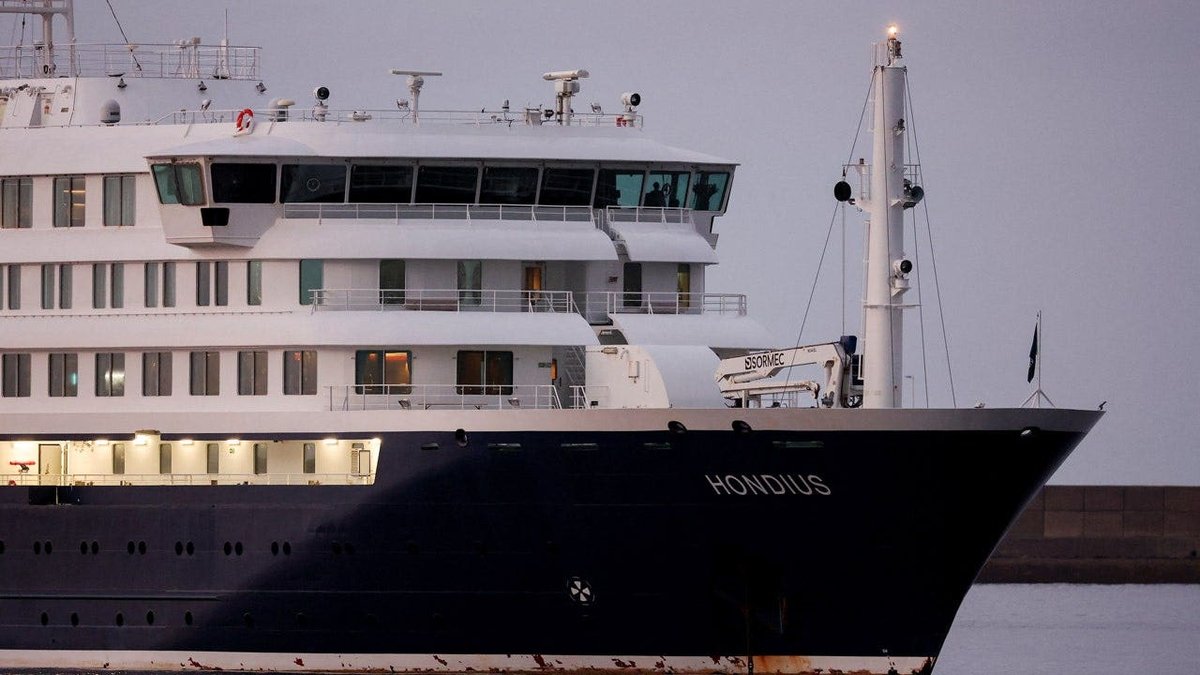
A cruise ship connected to a hantavirus outbreak that killed three people has docked off Tenerife in Spain. Passengers face testing and possible evacuation procedures. The event raises concerns about disease transmission on large passenger vessels.
Why this matters
Americans traveling on international cruises risk exposure to rare pathogens like hantavirus, which spreads via contaminated air or surfaces and can lead to severe respiratory illness. This incident could disrupt family vacations through quarantines or medical emergencies. It prompts scrutiny of cruise line health protocols that affect leisure travel safety and costs.
Three takes on this
AI-generated framings meant to encourage you to think. Not attributed to any individual; not presented as fact.
Everyday American
Will this make day-to-day life better or worse for my family?
A working family might see this as a deterrent to booking cruises, fearing sudden illness or isolation far from home that disrupts budgets and plans. They would prioritize safer travel options to shield kids and relatives from exotic disease risks. Everyday costs like medical bills or canceled trips make caution practical.
MAGA Republicans
What this likely confirms or alarms in their worldview.
MAGA-aligned readers would frame this as evidence of lax global travel controls importing dangers to public health. They emphasize self-reliance and strict port screenings to prevent such threats from reaching American shores. This aligns with their worldview prioritizing national security over open international mobility.
Democrats
What this likely confirms or alarms in their worldview.
Democratic-leaning readers would focus on the need for stronger international health standards and cruise industry accountability to protect travelers. They stress coordinated testing and response as key to averting wider spread. This reflects their values of collective action and regulatory oversight in public safety.