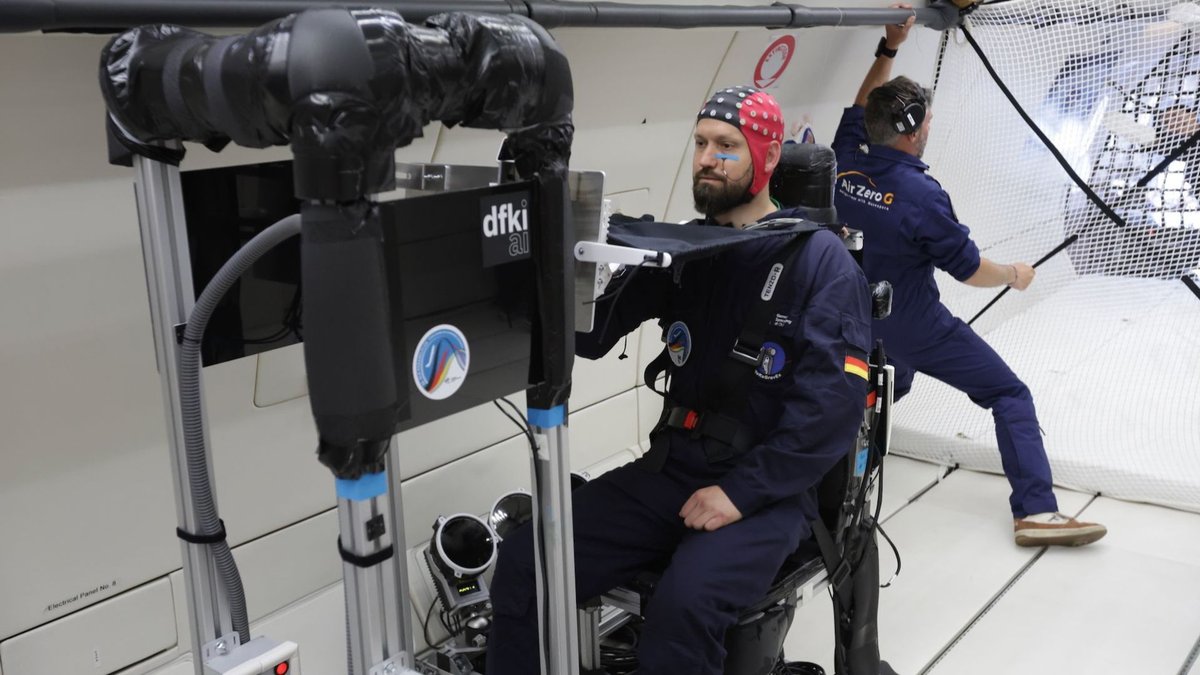
exoskeletons developed for astronaut microgravity training
AFBytes Brief
Scientists are evaluating exoskeletons that simulate weightlessness to give astronauts more realistic training experiences without leaving Earth.
Why this matters
Improved ground-based training tools can lower costs and risks associated with preparing crews for space missions.
Quick take
- What to Watch Next
- Follow publication of test results from the research teams to assess readiness for operational use.
Perspectives on this story
AI-generated analytical lenses meant to encourage you to think across multiple frames. Not attributed to any individual; not presented as fact.
Household Impact
How this affects family budgets, jobs, and day-to-day life.
Advances in simulation technology have little immediate bearing on everyday household expenses.
America First View
How this lands for readers prioritizing American sovereignty, borders, and domestic industry.
U.S. leadership in space-related hardware supports broader goals of maintaining technological self-reliance.
Institutional View
How established institutions -- agencies, courts, allied governments -- are likely to frame it.
Space agencies apply established engineering standards and safety protocols when evaluating new training systems.
Civil Liberties View
How this reads through the lens of constitutional rights, free speech, and due process.
No privacy or rights concerns arise from equipment designed for professional astronaut preparation.
National Security View
How this matters for defense posture, intelligence, and adversary deterrence.
Reliable astronaut training contributes to the resilience of national space capabilities and launch infrastructure.
Adversary View
How foreign rivals are likely to frame this story. Not presented as fact and does not reflect the views of AFBytes.
No clear adversary framing applies to this story.
AFBytes analysis is AI-assisted and generated from source metadata, article summaries, and topic context. It is intended to help readers think through implications, not replace the original reporting from interestingengineering.com. See our AI and Summary Disclosure for details.