US Debt Hits Historic Milestone
AFBytes Brief
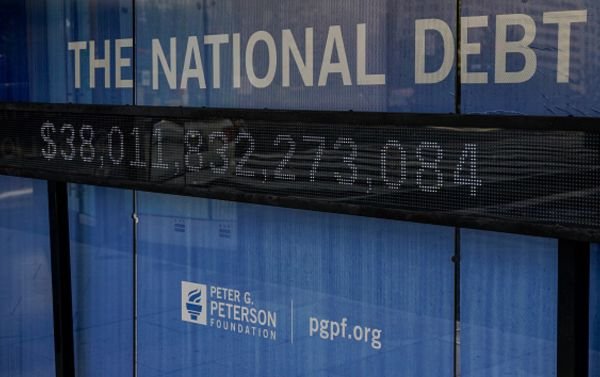
U.S. national debt has reached a historic milestone due to decades of unchecked government spending. Politicians face growing pressure over fiscal irresponsibility. The development underscores long-term economic risks from borrowing.
Why this matters
Rising debt burdens taxpayers through higher future taxes and interest payments that strain household budgets. It threatens retirement savings as government borrowing competes with private investment for capital. Social Security and Medicare face cuts if deficits persist, affecting retirees and families.
Quick take
- Money Angle
- Endless spending drives debt higher, increasing interest costs that divert funds from infrastructure to bond payments.
- Market Impact
- Treasury yields rise as investors demand higher returns on U.S. debt, pressuring mortgage rates and stock valuations.
- Who Benefits
- Bondholders and foreign governments holding U.S. debt gain from elevated interest payments.
- Who Loses
- Future taxpayers lose as higher debt service crowds out spending on defense and welfare.
- What to Watch Next
- Watch the next Treasury debt auction for yield spikes that signal investor concerns over sustainability.
Perspectives on this story
AI-generated analytical lenses meant to encourage you to think across multiple frames. Not attributed to any individual; not presented as fact.
Household Impact
How this affects family budgets, jobs, and day-to-day life.
Families worry this hikes taxes and cuts services like schools, raising daily living costs. It erodes job security through inflation risks from printing money. Practical impacts hit groceries and gas prices hardest.
America First View
How this lands for readers prioritizing American sovereignty, borders, and domestic industry.
They blame bipartisan overspending, especially on foreign aid and green deals, demanding cuts. This validates calls for fiscal conservatism against Washington elites. It fits narratives of draining the swamp.
Institutional View
How established institutions -- agencies, courts, allied governments -- are likely to frame it.
They stress investing in infrastructure and social programs justifies borrowing during growth. Blame falls on tax cuts for the rich that starved revenues. This aligns with equity-focused spending priorities.
AFBytes analysis is AI-assisted and generated from source metadata, article summaries, and topic context. It is intended to help readers think through implications, not replace the original reporting from westernjournal.com. See our AI and Summary Disclosure for details.