May Day 2026 Against War and Energy Crisis
AFBytes Brief
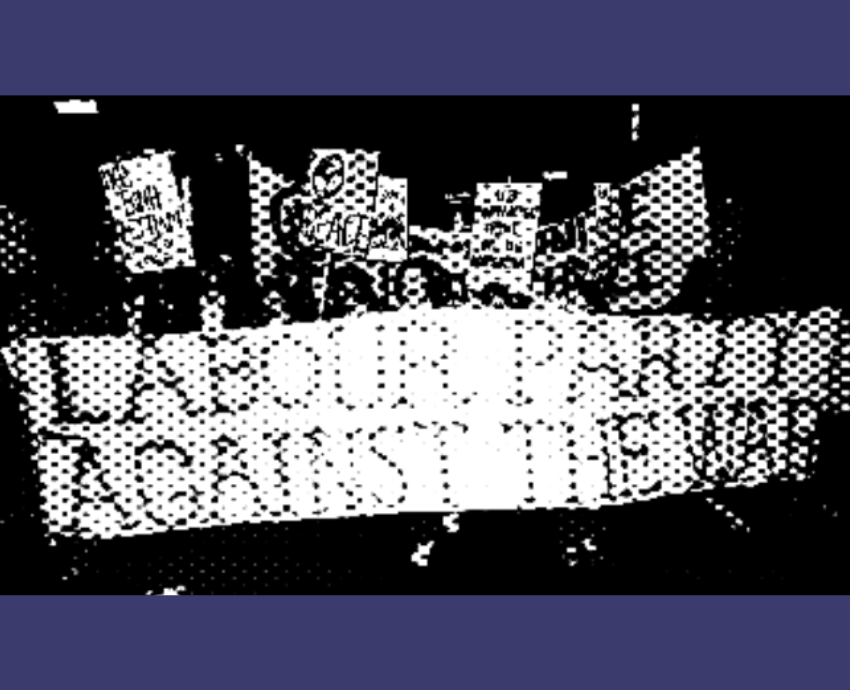
May Day 2026 marks global protests against war, energy crises, and militarization. Organizers warn of spreading threats to workers' rights and living standards. International law faces challenges amid these tensions.
Why this matters
Energy shocks from conflicts raise household bills for American drivers and homeowners. Militarization abroad pulls U.S. resources, affecting taxes and foreign policy. Workers face job instability from global economic ripples.
Quick take
- Money Angle
- Energy shocks inflate costs, squeezing household budgets and corporate margins.
- Market Impact
- Energy commodities like oil may rise amid war tensions.
- Who Benefits
- Defense contractors gain from heightened militarization spending.
- Who Loses
- Workers suffer eroded living standards from inflation.
- What to Watch Next
- Upcoming labor reports will signal impacts on wages and employment.
Perspectives on this story
AI-generated analytical lenses meant to encourage you to think across multiple frames. Not attributed to any individual; not presented as fact.
Household Impact
How this affects family budgets, jobs, and day-to-day life.
Families face higher energy bills and job risks from global crises. Protests highlight threats to daily costs like fuel and groceries. This underscores vulnerabilities in work-life stability.
America First View
How this lands for readers prioritizing American sovereignty, borders, and domestic industry.
They frame this as elite-driven chaos ignoring America First policies. War expansions abroad waste resources better spent domestically. It validates isolationist stances against endless conflicts.
Institutional View
How established institutions -- agencies, courts, allied governments -- are likely to frame it.
They support protests against militarism and for workers' rights. Energy transitions are key to averting shocks. Global solidarity aligns with progressive anti-war values.
AFBytes analysis is AI-assisted and generated from source metadata, article summaries, and topic context. It is intended to help readers think through implications, not replace the original reporting from globalresearch.ca. See our AI and Summary Disclosure for details.