South Korea selects firms for AI battlefield simulators and robots
AFBytes Brief
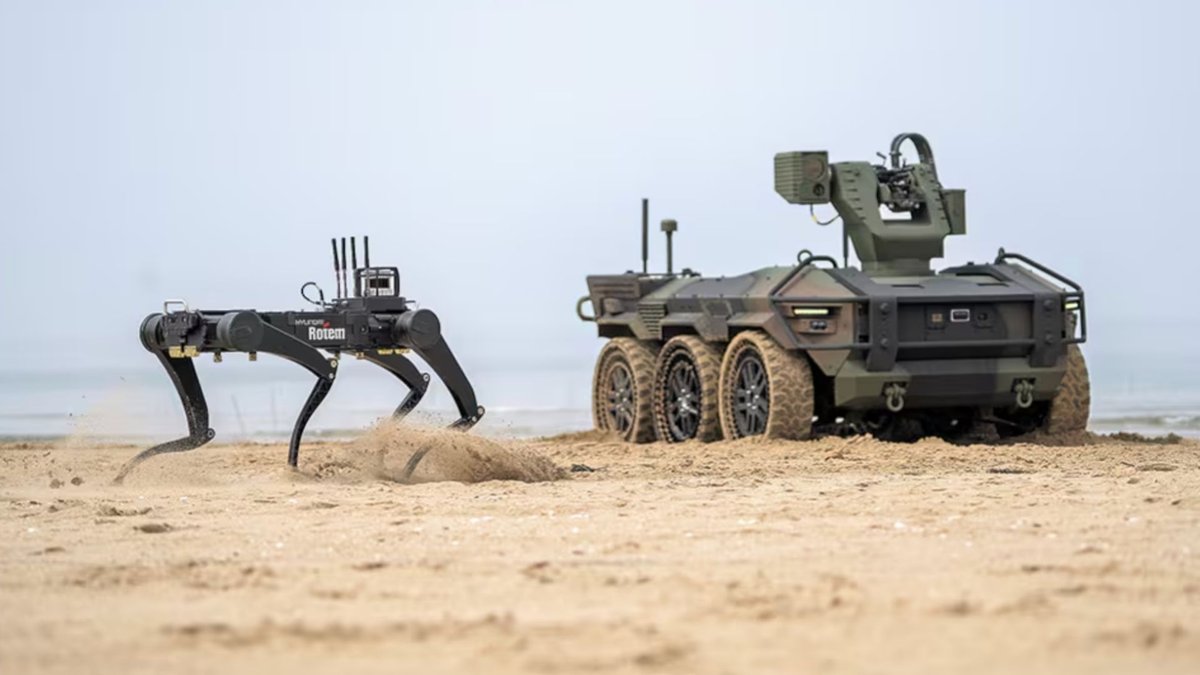
South Korea selected NC AI and Hyundai Rotem to develop AI-powered battlefield simulators and autonomous military robot systems.
Why this matters
Advances in military simulation technology can influence training costs and readiness for allied forces.
Quick take
- Money Angle
- Defense contracts for AI systems represent revenue opportunities for selected technology and manufacturing firms.
- Market Impact
- Defense contractors in simulation and robotics sectors may see contract flow from government modernization programs.
- Who Benefits
- NC AI and Hyundai Rotem win contracts that expand their defense technology portfolios.
- Who Loses
- Competing defense firms may lose out on the specific South Korean project awards.
- What to Watch Next
- Track South Korean defense ministry announcements on project milestones or additional vendor selections.
Perspectives on this story
AI-generated analytical lenses meant to encourage you to think across multiple frames. Not attributed to any individual; not presented as fact.
Household Impact
How this affects family budgets, jobs, and day-to-day life.
Military technology investments can affect defense spending levels that influence national budgets.
America First View
How this lands for readers prioritizing American sovereignty, borders, and domestic industry.
Allied development of advanced defense simulators supports broader coalition interoperability goals.
Institutional View
How established institutions -- agencies, courts, allied governments -- are likely to frame it.
Defense ministries procure simulation systems under established acquisition and security review processes.
Civil Liberties View
How this reads through the lens of constitutional rights, free speech, and due process.
No civil liberties principles are directly engaged by military simulator development.
National Security View
How this matters for defense posture, intelligence, and adversary deterrence.
Autonomous systems and simulators contribute to force readiness and supply chain resilience in allied nations.
Adversary View
How foreign rivals are likely to frame this story. Not presented as fact and does not reflect the views of AFBytes.
China may view South Korean military AI advancements as part of regional technology competition affecting deterrence balances.
AFBytes analysis is AI-assisted and generated from source metadata, article summaries, and topic context. It is intended to help readers think through implications, not replace the original reporting from interestingengineering.com. See our AI and Summary Disclosure for details.