grand solar minimum global cooling forecast 2030s
AFBytes Brief
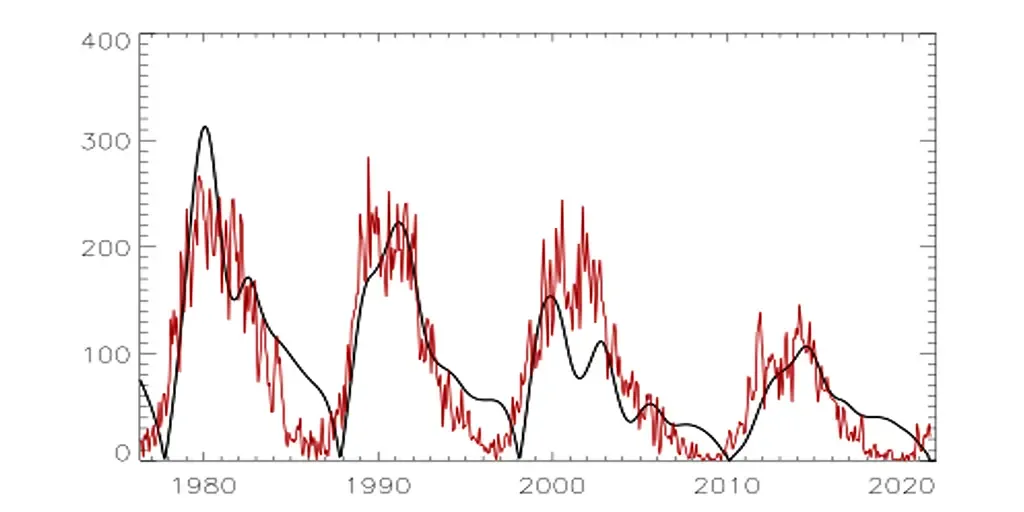
Recent pattern analysis indicates the start of a grand solar minimum. Global temperatures are projected to decline by at least one degree Celsius through the 2030s and 2040s.
Why this matters
A sustained cooling period would affect agricultural yields and energy demand in farming regions across the United States.
Quick take
- Money Angle
- Lower temperatures would shift heating fuel demand upward in northern states and alter crop insurance costs for farmers.
- Market Impact
- Agricultural commodity futures such as corn and wheat would likely face upward price pressure from reduced yields.
- Who Benefits
- Natural gas producers and heating equipment suppliers gain from higher winter demand.
- Who Loses
- Summer tourism and outdoor recreation sectors lose revenue during cooler seasons.
- What to Watch Next
- Watch the next NOAA seasonal outlook release for early signals of temperature anomalies in the northern hemisphere.
Perspectives on this story
AI-generated analytical lenses meant to encourage you to think across multiple frames. Not attributed to any individual; not presented as fact.
Household Impact
How this affects family budgets, jobs, and day-to-day life.
Cooler weather raises winter heating bills for households in the Midwest and Northeast.
America First View
How this lands for readers prioritizing American sovereignty, borders, and domestic industry.
Domestic energy production capacity becomes more critical for meeting increased heating needs.
Institutional View
How established institutions -- agencies, courts, allied governments -- are likely to frame it.
Federal agencies would rely on updated temperature models to adjust agricultural support programs.
Civil Liberties View
How this reads through the lens of constitutional rights, free speech, and due process.
No direct constitutional rights are implicated by long-term temperature forecasts.
National Security View
How this matters for defense posture, intelligence, and adversary deterrence.
Supply chain resilience for food and fuel gains importance under shifting climate conditions.
Adversary View
How foreign rivals are likely to frame this story. Not presented as fact and does not reflect the views of AFBytes.
No clear adversary framing applies to this story.
AFBytes analysis is AI-assisted and generated from source metadata, article summaries, and topic context. It is intended to help readers think through implications, not replace the original reporting from wattsupwiththat.com. See our AI and Summary Disclosure for details.