US State Dept Accused of Flouting Diplomatic Law
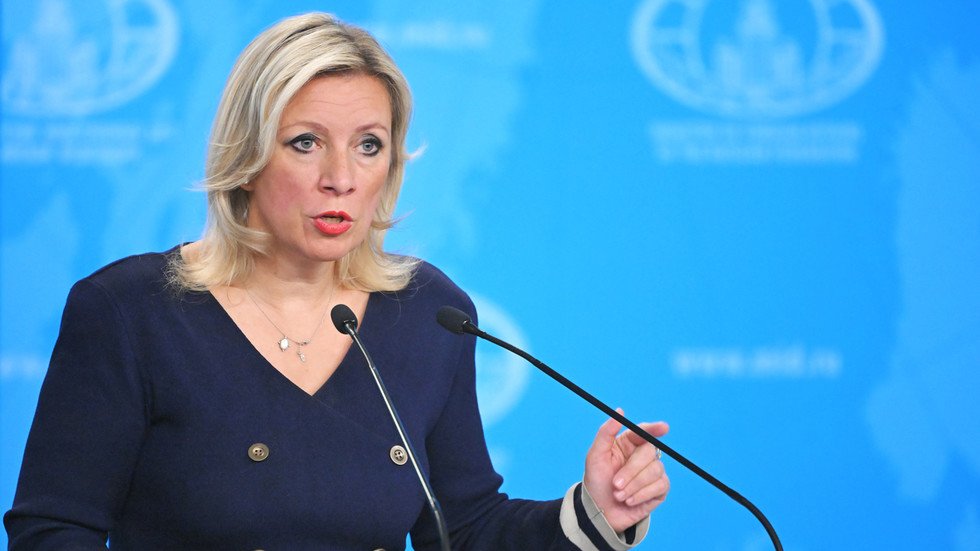
AFBytes Brief
Russian officials accuse the U.S. State Department of violating federal law by imposing citizenship on children of Russian diplomats. This practice allegedly breaches diplomatic norms. Tensions rise over handling of consular families.
Why this matters
Diplomatic disputes affect U.S.-Russia relations, potentially escalating to trade restrictions or sanctions that raise energy prices for American households.
Quick take
- Who Benefits
- Russian diplomatic corps gain leverage in negotiations by highlighting U.S. inconsistencies.
- Who Loses
- U.S. State Department faces credibility challenges in international postings.
- What to Watch Next
- Watch for State Department response on diplomat family policies.
Perspectives on this story
AI-generated analytical lenses meant to encourage you to think across multiple frames. Not attributed to any individual; not presented as fact.
Household Impact
How this affects family budgets, jobs, and day-to-day life.
This seems like bureaucratic overreach that could complicate foreign postings for U.S. diplomats' families abroad. It raises costs and uncertainties for those in international service.
America First View
How this lands for readers prioritizing American sovereignty, borders, and domestic industry.
They see it as America-first policy enforcing rules on adversaries, countering Russian influence operations. This bolsters their view of strong sovereignty in diplomacy.
Institutional View
How established institutions -- agencies, courts, allied governments -- are likely to frame it.
They criticize it as needlessly provocative, risking retaliation that harms broader U.S. diplomatic goals. It conflicts with norms of mutual respect in foreign affairs.
AFBytes analysis is AI-assisted and generated from source metadata, article summaries, and topic context. It is intended to help readers think through implications, not replace the original reporting from rt.com. See our AI and Summary Disclosure for details.