Jensen Huang joins Tsinghua University advisory board
AFBytes Brief
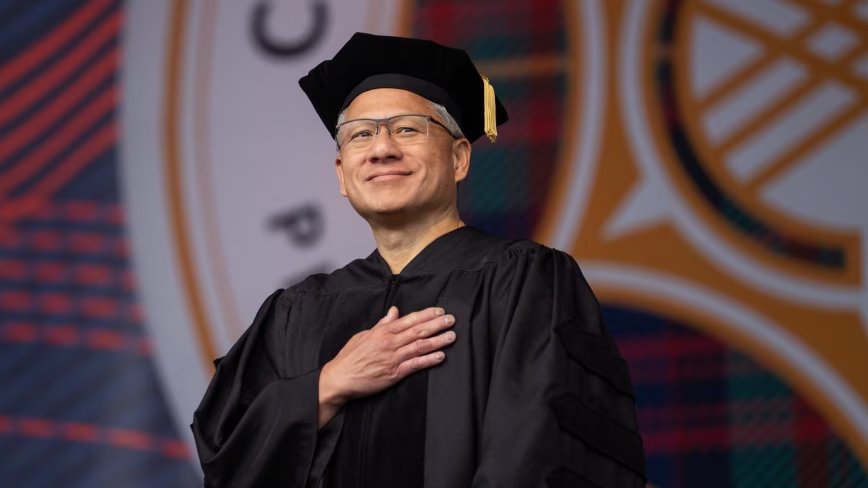
Jensen Huang has accepted a position on Tsinghua University’s advisory board together with other prominent technology executives. The board is chaired by Tim Cook.
Why this matters
High-level engagement between U.S. chip executives and Chinese academic institutions can influence technology transfer policies and export control discussions.
Quick take
- Money Angle
- Advisory participation can affect corporate positioning in China’s semiconductor ecosystem and long-term revenue exposure.
- Market Impact
- Semiconductor stocks may experience modest sentiment shifts on any signals regarding China market access or regulatory easing.
- Who Benefits
- Nvidia maintains visibility with Chinese academic and policy networks that support continued engagement in the market.
- Who Loses
- Domestic U.S. competitors without similar academic ties may face relative disadvantages in relationship-based deal flow.
- What to Watch Next
- Track any updates to U.S. export control lists or licensing decisions affecting advanced chips sold to Chinese entities.
Perspectives on this story
AI-generated analytical lenses meant to encourage you to think across multiple frames. Not attributed to any individual; not presented as fact.
Household Impact
How this affects family budgets, jobs, and day-to-day life.
Changes in chip supply chains can eventually affect prices of consumer electronics and AI-enabled devices.
America First View
How this lands for readers prioritizing American sovereignty, borders, and domestic industry.
U.S. technology leadership in strategic sectors benefits from maintaining academic and commercial channels while protecting core intellectual property.
Institutional View
How established institutions -- agencies, courts, allied governments -- are likely to frame it.
Export control agencies will continue to evaluate academic advisory roles under existing technology transfer statutes.
Civil Liberties View
How this reads through the lens of constitutional rights, free speech, and due process.
No direct impact on individual constitutional rights is presented by the advisory appointment.
National Security View
How this matters for defense posture, intelligence, and adversary deterrence.
Engagement with Chinese universities by U.S. semiconductor leaders requires ongoing assessment of supply chain and research security risks.
Adversary View
How foreign rivals are likely to frame this story. Not presented as fact and does not reflect the views of AFBytes.
Chinese state media is likely to portray the appointment as evidence of continued international recognition of Chinese academic institutions despite geopolitical tensions.
AFBytes analysis is AI-assisted and generated from source metadata, article summaries, and topic context. It is intended to help readers think through implications, not replace the original reporting from thenextweb.com. See our AI and Summary Disclosure for details.