Trump to decide on Iran truce extension Friday
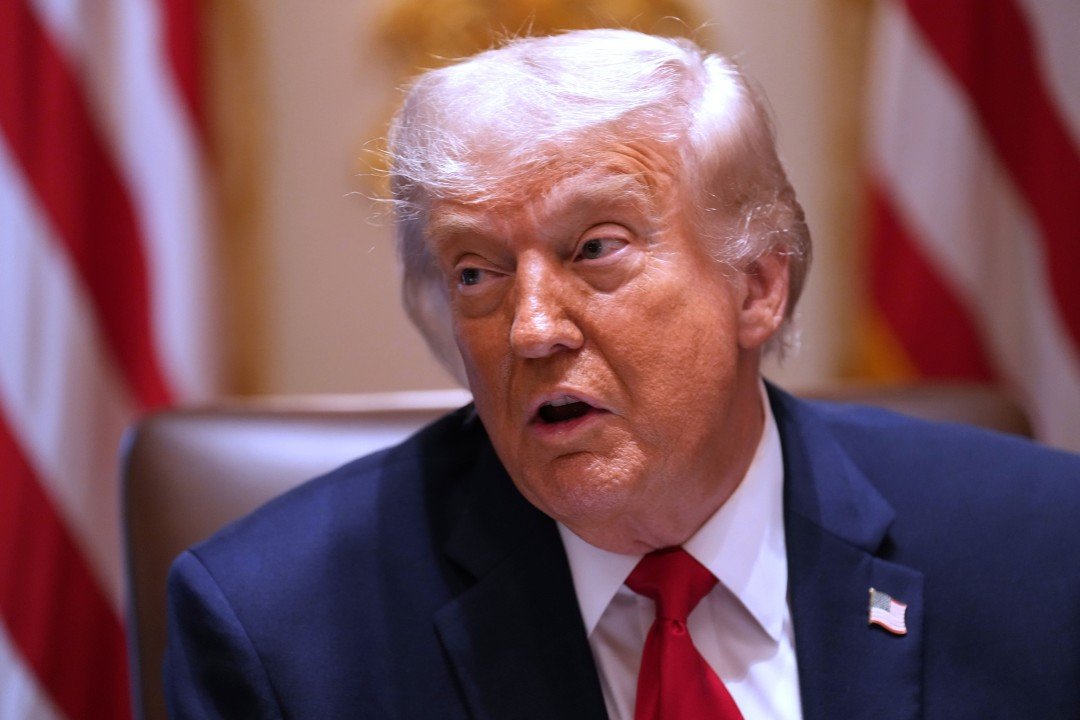
AFBytes Brief
President Trump stated he will meet Friday to evaluate a proposed two-month extension of the current U.S.-Iran truce. The outcome could be announced later the same day.
Why this matters
Any extension or collapse of the truce affects U.S. military posture in the region and influences global energy prices that feed into household fuel and heating costs.
Quick take
- Money Angle
- Oil price stability hinges on whether sanctions pressure eases or tightens, directly moving household energy expenses.
- Market Impact
- Brent crude and U.S. gasoline futures would likely rise on any breakdown of talks and fall on a confirmed extension.
- Who Benefits
- Gulf energy producers gain from sustained sanctions that support higher prices.
- Who Loses
- U.S. drivers and manufacturers face higher input costs if tensions push oil prices upward.
- What to Watch Next
- Watch for the Friday evening White House readout on the meeting outcome, which will signal whether sanctions relief is extended.
Perspectives on this story
AI-generated analytical lenses meant to encourage you to think across multiple frames. Not attributed to any individual; not presented as fact.
Household Impact
How this affects family budgets, jobs, and day-to-day life.
Energy prices tied to Middle East stability can raise or lower monthly fuel and heating bills for American households.
America First View
How this lands for readers prioritizing American sovereignty, borders, and domestic industry.
The decision tests whether the United States maintains maximum pressure to protect domestic energy producers and reduce reliance on foreign oil.
Institutional View
How established institutions -- agencies, courts, allied governments -- are likely to frame it.
The executive branch evaluates the truce under existing sanctions statutes and national emergency declarations.
Civil Liberties View
How this reads through the lens of constitutional rights, free speech, and due process.
No domestic constitutional rights are directly implicated by the foreign policy choice.
National Security View
How this matters for defense posture, intelligence, and adversary deterrence.
The choice affects U.S. force posture, alliance commitments with Gulf states, and efforts to constrain Iranian nuclear activity.
Adversary View
How foreign rivals are likely to frame this story. Not presented as fact and does not reflect the views of AFBytes.
Iranian state media is expected to portray any extension as evidence that U.S. sanctions are unsustainable and that Tehran retains leverage.
AFBytes analysis is AI-assisted and generated from source metadata, article summaries, and topic context. It is intended to help readers think through implications, not replace the original reporting from newser.com. See our AI and Summary Disclosure for details.