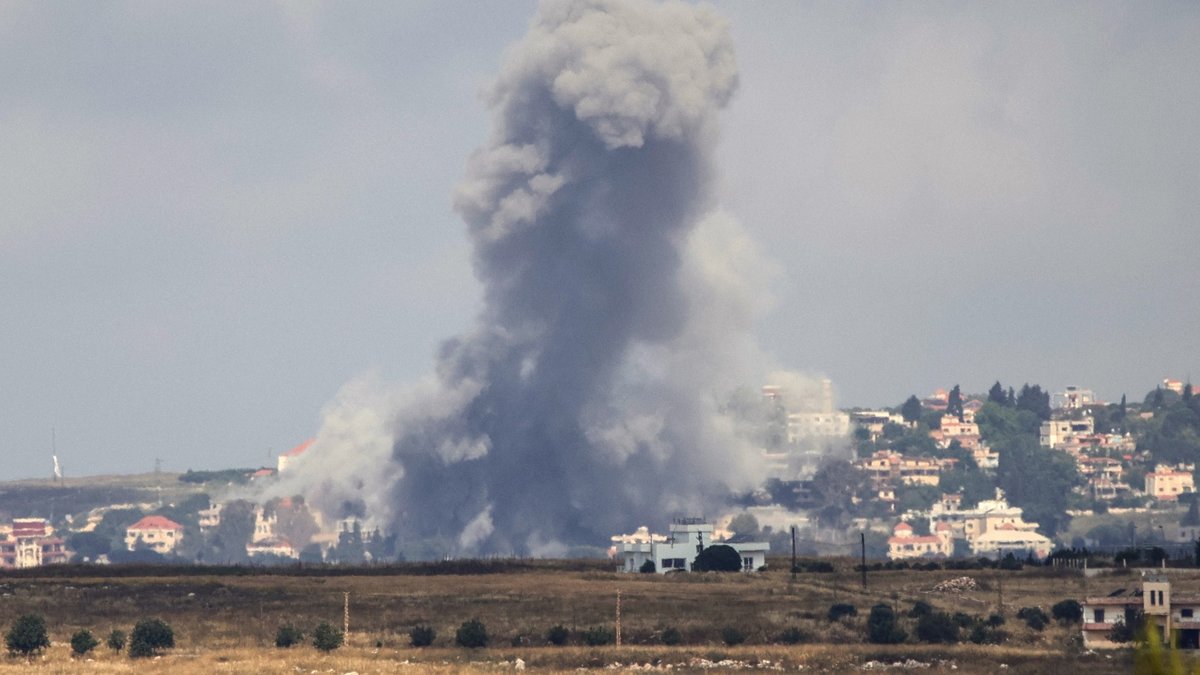
Israeli airstrikes hit southern Lebanon town
AFBytes Brief
Israeli aircraft attacked the Lebanese town of Deir ez-Zahrani at dawn, resulting in several deaths according to Lebanon's state news agency. The strikes add to ongoing cross-border tensions.
Why this matters
Escalation risks in Lebanon can raise regional oil supply concerns and affect U.S. energy costs and foreign policy commitments.
Quick take
- Money Angle
- Heightened regional tension can lift near-term oil price volatility and defense contractor order visibility.
- Market Impact
- Brent crude futures and shares of major defense firms would likely rise on sustained escalation signals.
- Who Benefits
- Defense contractors receive incremental order flow when conflict intensity increases.
- Who Loses
- Lebanese civilians in affected areas face direct safety and infrastructure damage.
- What to Watch Next
- Monitor the next U.S. Central Command or State Department statement on Lebanon for signs of diplomatic movement.
Perspectives on this story
AI-generated analytical lenses meant to encourage you to think across multiple frames. Not attributed to any individual; not presented as fact.
Household Impact
How this affects family budgets, jobs, and day-to-day life.
Oil price spikes from regional conflict can raise gasoline and heating costs for U.S. households within days.
America First View
How this lands for readers prioritizing American sovereignty, borders, and domestic industry.
Continued instability raises questions about long-term U.S. military and diplomatic exposure in the Levant.
Institutional View
How established institutions -- agencies, courts, allied governments -- are likely to frame it.
U.S. agencies would assess strikes against rules of engagement and alliance coordination requirements.
Civil Liberties View
How this reads through the lens of constitutional rights, free speech, and due process.
No U.S. constitutional questions are directly engaged by the reported military action.
National Security View
How this matters for defense posture, intelligence, and adversary deterrence.
The strikes test U.S. deterrence posture and alliance management with Israel and Lebanese authorities.
Adversary View
How foreign rivals are likely to frame this story. Not presented as fact and does not reflect the views of AFBytes.
Iranian and Hezbollah-aligned outlets would likely frame the strikes as unprovoked Israeli aggression against Lebanese territory.
AFBytes analysis is AI-assisted and generated from source metadata, article summaries, and topic context. It is intended to help readers think through implications, not replace the original reporting from middleeasteye.net. See our AI and Summary Disclosure for details.