Tianwen-2 asteroid sample return telemetry decoded
AFBytes Brief
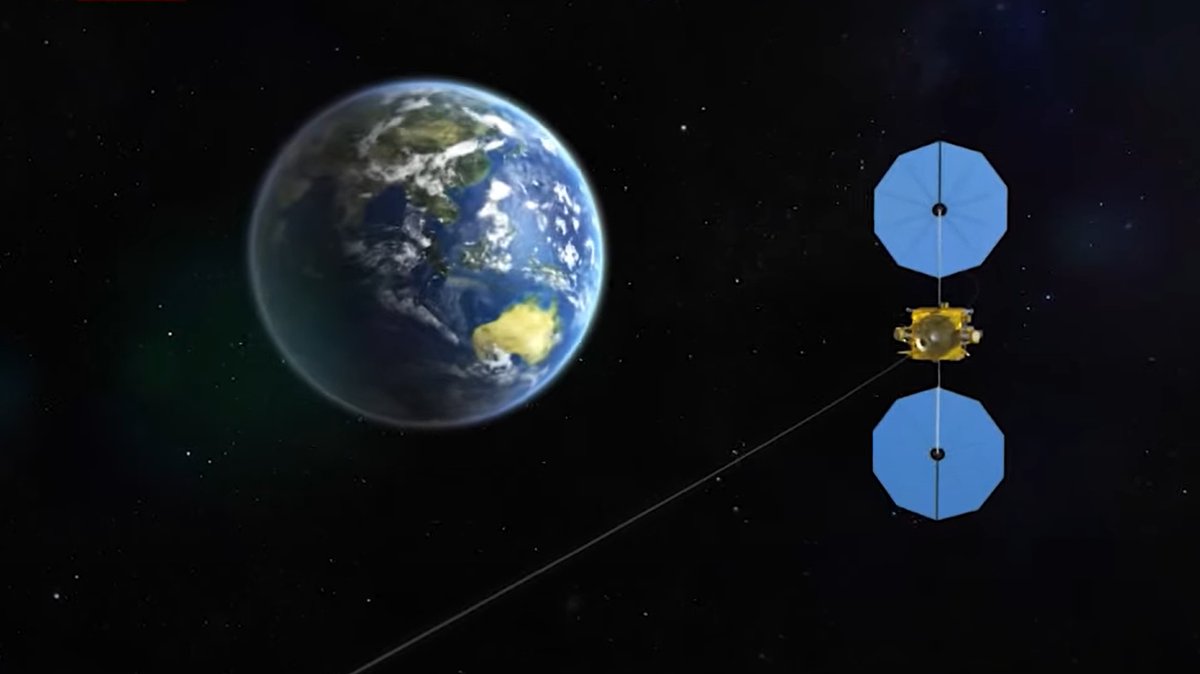
China launched the Tianwen-2 mission in May 2025 to collect samples from a near-Earth asteroid. The spacecraft is en route and will transmit telemetry data during its journey.
Why this matters
Space sample return missions advance scientific understanding of asteroids that could inform resource utilization and planetary defense strategies.
Quick take
- What to Watch Next
- Watch for telemetry updates or sample collection milestones from Chinese space agencies that could indicate mission progress.
Perspectives on this story
AI-generated analytical lenses meant to encourage you to think across multiple frames. Not attributed to any individual; not presented as fact.
Household Impact
How this affects family budgets, jobs, and day-to-day life.
Space programs have minimal direct effect on household budgets or daily prices in the near term.
America First View
How this lands for readers prioritizing American sovereignty, borders, and domestic industry.
U.S. space leadership depends on maintaining independent capabilities separate from foreign missions.
Institutional View
How established institutions -- agencies, courts, allied governments -- are likely to frame it.
NASA and international partners track foreign sample return efforts under existing space cooperation frameworks.
Civil Liberties View
How this reads through the lens of constitutional rights, free speech, and due process.
No direct constitutional rights or privacy issues are raised by this mission.
National Security View
How this matters for defense posture, intelligence, and adversary deterrence.
Asteroid missions contribute to understanding near-Earth objects relevant to planetary defense infrastructure.
Adversary View
How foreign rivals are likely to frame this story. Not presented as fact and does not reflect the views of AFBytes.
No clear adversary framing applies to this story.
AFBytes analysis is AI-assisted and generated from source metadata, article summaries, and topic context. It is intended to help readers think through implications, not replace the original reporting from hackaday.com. See our AI and Summary Disclosure for details.