planet formation supermassive black holes research
AFBytes Brief
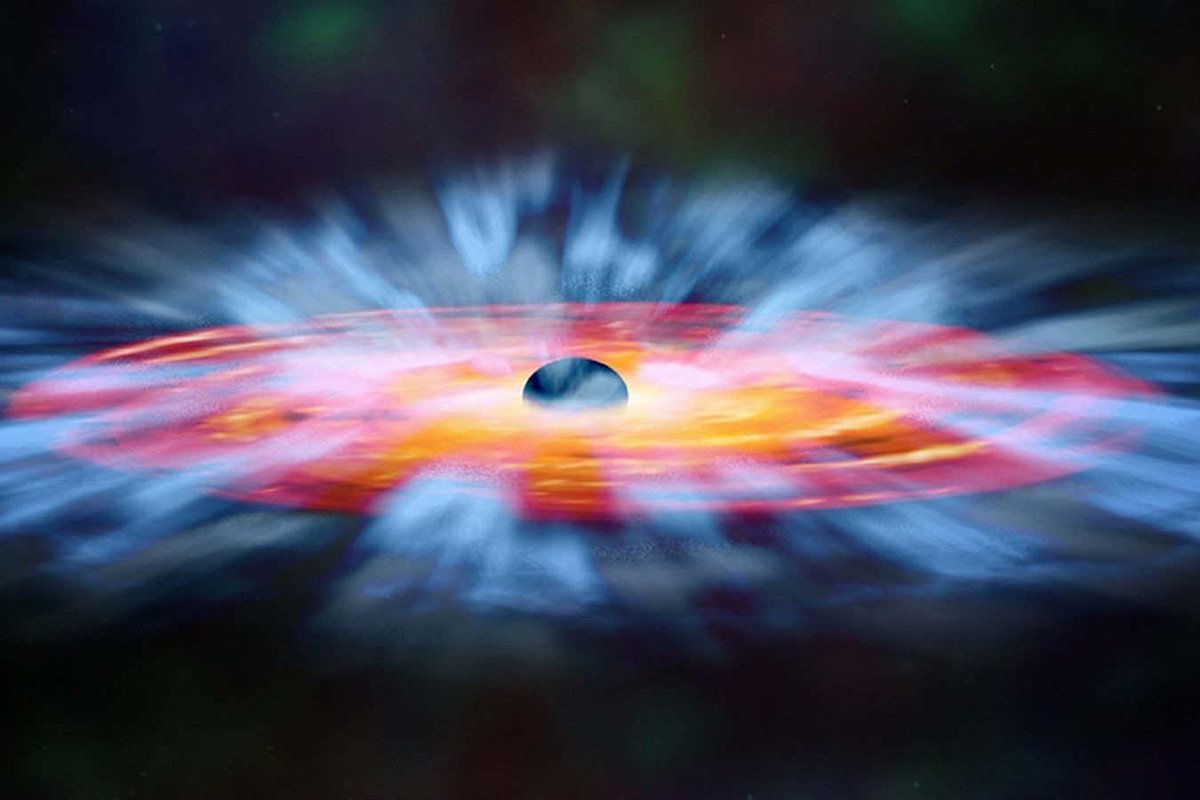
New models indicate that dense dust structures around active galactic nuclei may produce large numbers of rocky planets. The process relies on standard gravitational and accretion dynamics observed in other discs.
Why this matters
This finding expands understanding of where planets can form but does not directly affect household budgets or U.S. policy.
Perspectives on this story
AI-generated analytical lenses meant to encourage you to think across multiple frames. Not attributed to any individual; not presented as fact.
Household Impact
How this affects family budgets, jobs, and day-to-day life.
The research has no immediate effect on family budgets, jobs, or local prices.
America First View
How this lands for readers prioritizing American sovereignty, borders, and domestic industry.
No direct implication for U.S. sovereignty or domestic industry appears in the findings.
Institutional View
How established institutions -- agencies, courts, allied governments -- are likely to frame it.
Scientific agencies would treat this as standard peer-reviewed modeling of accretion physics.
Civil Liberties View
How this reads through the lens of constitutional rights, free speech, and due process.
No constitutional rights or privacy issues are raised by this theoretical work.
National Security View
How this matters for defense posture, intelligence, and adversary deterrence.
The topic does not touch defense posture or critical infrastructure.
Adversary View
How foreign rivals are likely to frame this story. Not presented as fact and does not reflect the views of AFBytes.
No clear adversary framing applies to this story.
AFBytes analysis is AI-assisted and generated from source metadata, article summaries, and topic context. It is intended to help readers think through implications, not replace the original reporting from newscientist.com. See our AI and Summary Disclosure for details.