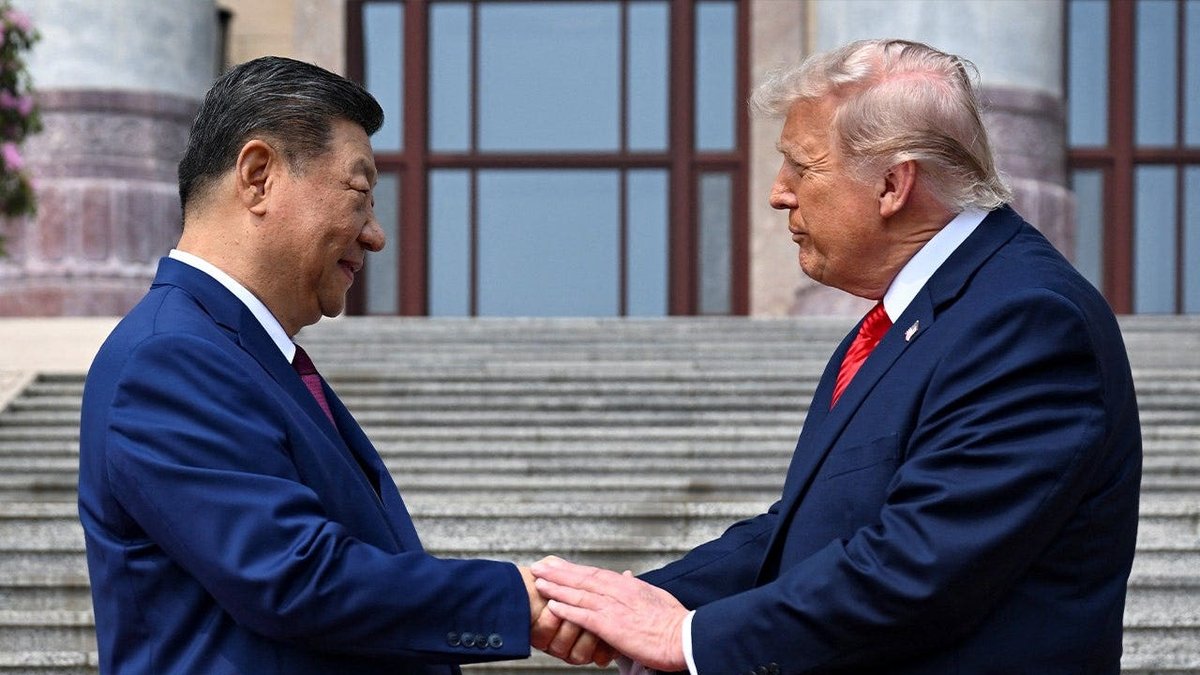
Trump-Xi Summit Raises Questions on Lasting China Breakthrough
AFBytes Brief
President Trump's summit with Xi Jinping prompted comparisons to Cold War diplomacy, yet China's continued fentanyl exports and regional assertiveness suggest limited grounds for durable agreements.
Why this matters
U.S.-China trade and security outcomes affect tariffs, supply chains, and the safety of American communities from illicit drugs.
Quick take
- Money Angle
- Any new tariffs or export controls would alter costs for U.S. importers and manufacturers reliant on Chinese components.
- Market Impact
- Equities in consumer electronics, autos, and agriculture could swing on signals of tariff changes or renewed trade talks.
- Who Benefits
- U.S. domestic manufacturers in protected sectors gain from reduced Chinese competition if tariffs remain or increase.
- Who Loses
- Retailers and consumers absorb higher prices when tariffs on Chinese goods are expanded or extended.
- What to Watch Next
- Monitor upcoming Treasury and Commerce Department announcements on tariff exclusions and enforcement actions.
Perspectives on this story
AI-generated analytical lenses meant to encourage you to think across multiple frames. Not attributed to any individual; not presented as fact.
Household Impact
How this affects family budgets, jobs, and day-to-day life.
Tariff adjustments can raise prices on everyday goods while enforcement on fentanyl precursors affects community safety.
America First View
How this lands for readers prioritizing American sovereignty, borders, and domestic industry.
A firm negotiating stance seeks to restore reciprocity in trade and reduce exposure to adversarial supply chains.
Institutional View
How established institutions -- agencies, courts, allied governments -- are likely to frame it.
Executive branch agencies implement trade policy under statutes that authorize tariffs and export controls.
Civil Liberties View
How this reads through the lens of constitutional rights, free speech, and due process.
National security-based trade restrictions test the balance between economic openness and government authority over commerce.
National Security View
How this matters for defense posture, intelligence, and adversary deterrence.
Managing relations with China remains central to protecting U.S. technological edge and deterring aggression in the Indo-Pacific.
AFBytes analysis is AI-assisted and generated from source metadata, article summaries, and topic context. It is intended to help readers think through implications, not replace the original reporting from foxnews.com. See our AI and Summary Disclosure for details.