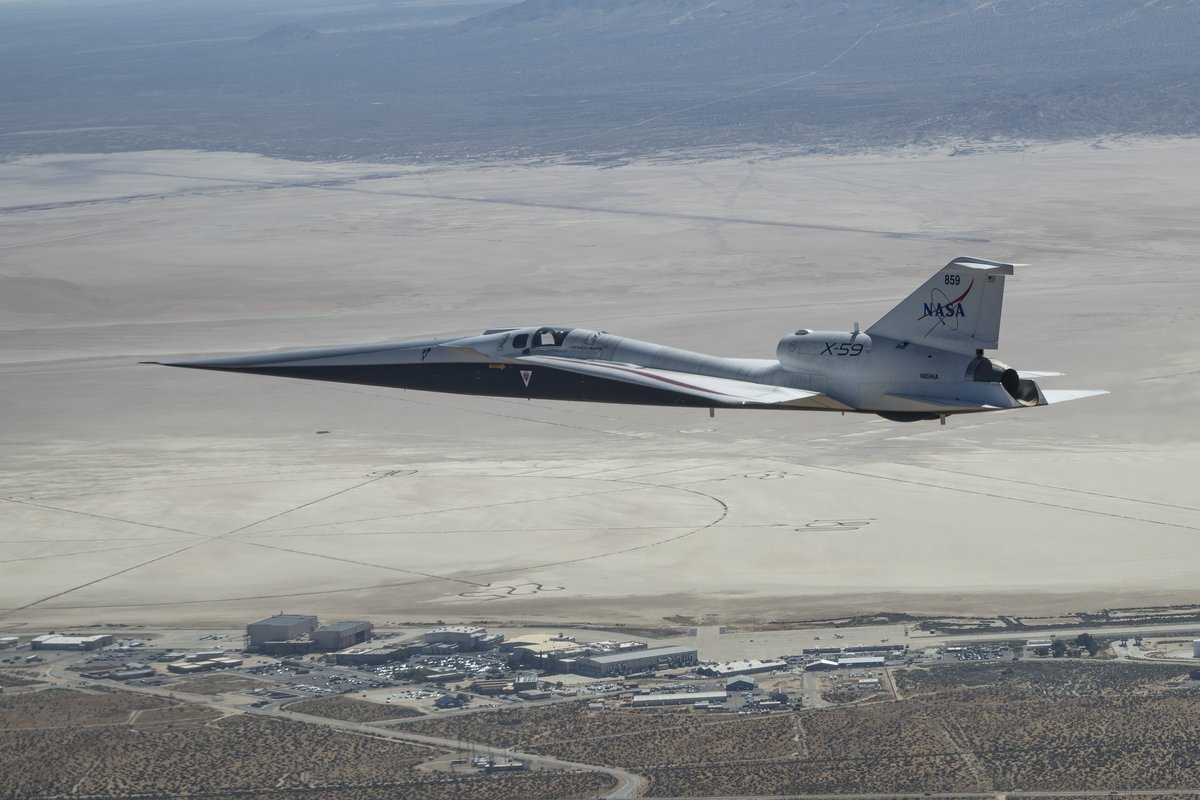
NASA X-59 low speed testing continues
AFBytes Brief
The X-59 aircraft completed further low-speed test flights at Armstrong Flight Research Center. Data collection focuses on handling qualities below normal operating speeds.
Why this matters
Ongoing NASA research supports long-term advances in civilian and potential military aviation.
Quick take
- Money Angle
- NASA aeronautics budget sustains contractor employment in the aviation sector.
- Market Impact
- Aerospace firms involved in NASA programs maintain steady revenue streams.
- Who Benefits
- NASA contractors receive continued program funding.
- What to Watch Next
- Upcoming higher-speed envelope tests will show whether the aircraft remains on schedule.
Perspectives on this story
AI-generated analytical lenses meant to encourage you to think across multiple frames. Not attributed to any individual; not presented as fact.
Household Impact
How this affects family budgets, jobs, and day-to-day life.
No direct effect on consumer airfares or employment is anticipated yet.
America First View
How this lands for readers prioritizing American sovereignty, borders, and domestic industry.
Sustained U.S. investment in advanced aviation maintains technological edge.
Institutional View
How established institutions -- agencies, courts, allied governments -- are likely to frame it.
NASA adheres to its congressional aeronautics research authorization.
Civil Liberties View
How this reads through the lens of constitutional rights, free speech, and due process.
No privacy issues arise from the flight test program.
National Security View
How this matters for defense posture, intelligence, and adversary deterrence.
Quiet supersonic capabilities may eventually support military logistics needs.
Adversary View
How foreign rivals are likely to frame this story. Not presented as fact and does not reflect the views of AFBytes.
No clear adversary framing applies to this story.
AFBytes analysis is AI-assisted and generated from source metadata, article summaries, and topic context. It is intended to help readers think through implications, not replace the original reporting from nasa.gov. See our AI and Summary Disclosure for details.