undersea fiber optic cables carry most global internet traffic
AFBytes Brief
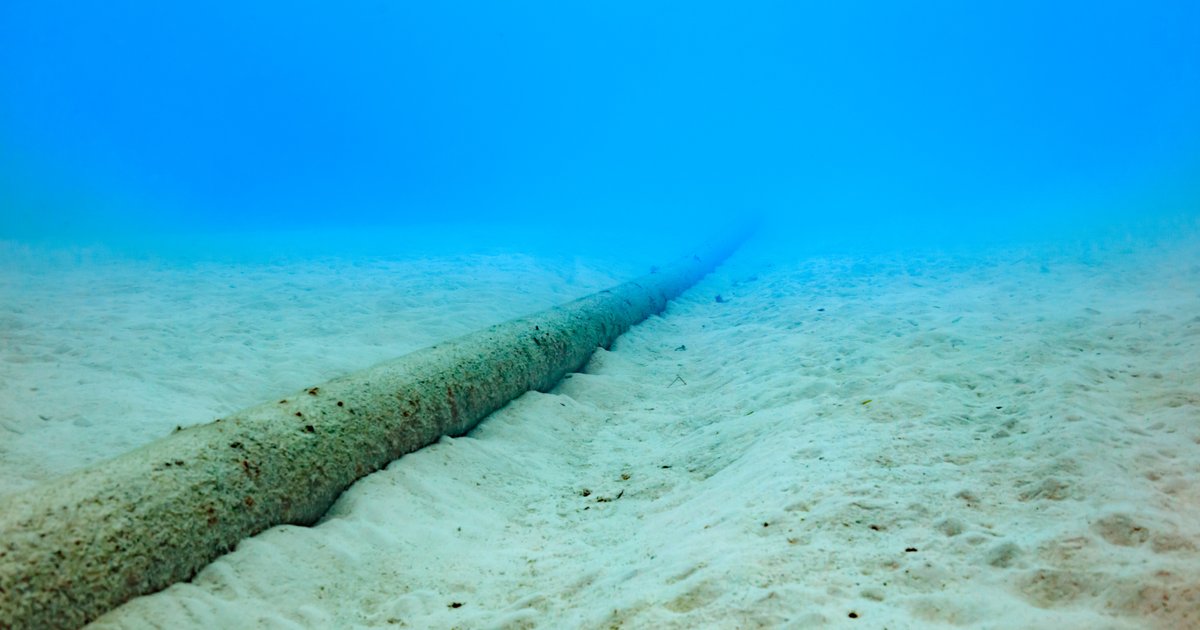
Nearly all cross-continental internet traffic travels through fiber optic cables on the ocean floor instead of satellites. These cables form a vast hidden network connecting continents across deep sea regions. Estimates indicate satellites handle only a small fraction of global data movement.
Why this matters
Most international data moves through undersea fiber optic cables that form the backbone of the internet. Disruptions to these cables can affect connectivity and data flows between continents. This infrastructure directly influences online services used by businesses and households worldwide.
Quick take
- Money Angle
- Undersea cable networks require substantial capital investment from telecom operators and technology firms to build and maintain.
- Market Impact
- Telecom infrastructure companies and undersea cable operators may see sustained demand for capacity upgrades.
- Who Benefits
- Major telecom carriers and cable-laying firms benefit from ongoing demand for reliable high-capacity links.
- Who Loses
- Satellite internet providers face limited share of intercontinental traffic compared with cable networks.
- What to Watch Next
- Watch for announcements on new cable routes or repair operations that could signal changes in network reliability.
Perspectives on this story
AI-generated analytical lenses meant to encourage you to think across multiple frames. Not attributed to any individual; not presented as fact.
Household Impact
How this affects family budgets, jobs, and day-to-day life.
Reliable undersea cables support stable internet access that households rely on for work, education, and daily services.
America First View
How this lands for readers prioritizing American sovereignty, borders, and domestic industry.
Secure undersea cable infrastructure strengthens U.S. control over critical data routes and reduces dependence on foreign satellite systems.
Institutional View
How established institutions -- agencies, courts, allied governments -- are likely to frame it.
Regulators and governments treat undersea cables as essential infrastructure subject to permitting and security oversight.
Civil Liberties View
How this reads through the lens of constitutional rights, free speech, and due process.
Cable networks raise questions about data privacy and government access to international communications.
National Security View
How this matters for defense posture, intelligence, and adversary deterrence.
Protection of undersea cables is viewed as vital for defense communications and supply chain resilience in critical infrastructure.
Adversary View
How foreign rivals are likely to frame this story. Not presented as fact and does not reflect the views of AFBytes.
No clear adversary framing applies to this story.
AFBytes analysis is AI-assisted and generated from source metadata, article summaries, and topic context. It is intended to help readers think through implications, not replace the original reporting from app.buzzsumo.com. See our AI and Summary Disclosure for details.