Tomato soy drink tested for inflammation reduction
AFBytes Brief
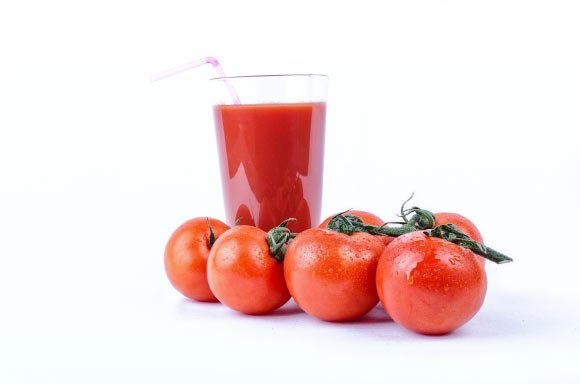
A small clinical trial at Ohio State University tested a tomato-soy beverage. Participants showed reduced levels of certain inflammation proteins. Larger studies would be needed to confirm effects.
Why this matters
Dietary interventions that reduce inflammation could affect long-term healthcare costs for individuals managing obesity-related conditions.
Quick take
- Who Benefits
- Food and beverage companies developing functional drinks may gain from positive research signals.
- What to Watch Next
- Watch for publication of the full trial results in a peer-reviewed journal and any follow-on studies.
Perspectives on this story
AI-generated analytical lenses meant to encourage you to think across multiple frames. Not attributed to any individual; not presented as fact.
Household Impact
How this affects family budgets, jobs, and day-to-day life.
Accessible dietary options that address inflammation could influence grocery choices and health management for families.
America First View
How this lands for readers prioritizing American sovereignty, borders, and domestic industry.
Domestic agricultural products such as tomatoes and soy support US farming and food processing industries.
Institutional View
How established institutions -- agencies, courts, allied governments -- are likely to frame it.
Clinical research follows institutional review board and FDA guidelines for human subjects.
Civil Liberties View
How this reads through the lens of constitutional rights, free speech, and due process.
Participant consent and data privacy standards govern nutritional studies involving personal health information.
National Security View
How this matters for defense posture, intelligence, and adversary deterrence.
Public health research contributes to workforce productivity and resilience against chronic disease burdens.
AFBytes analysis is AI-assisted and generated from source metadata, article summaries, and topic context. It is intended to help readers think through implications, not replace the original reporting from sci-news.com. See our AI and Summary Disclosure for details.