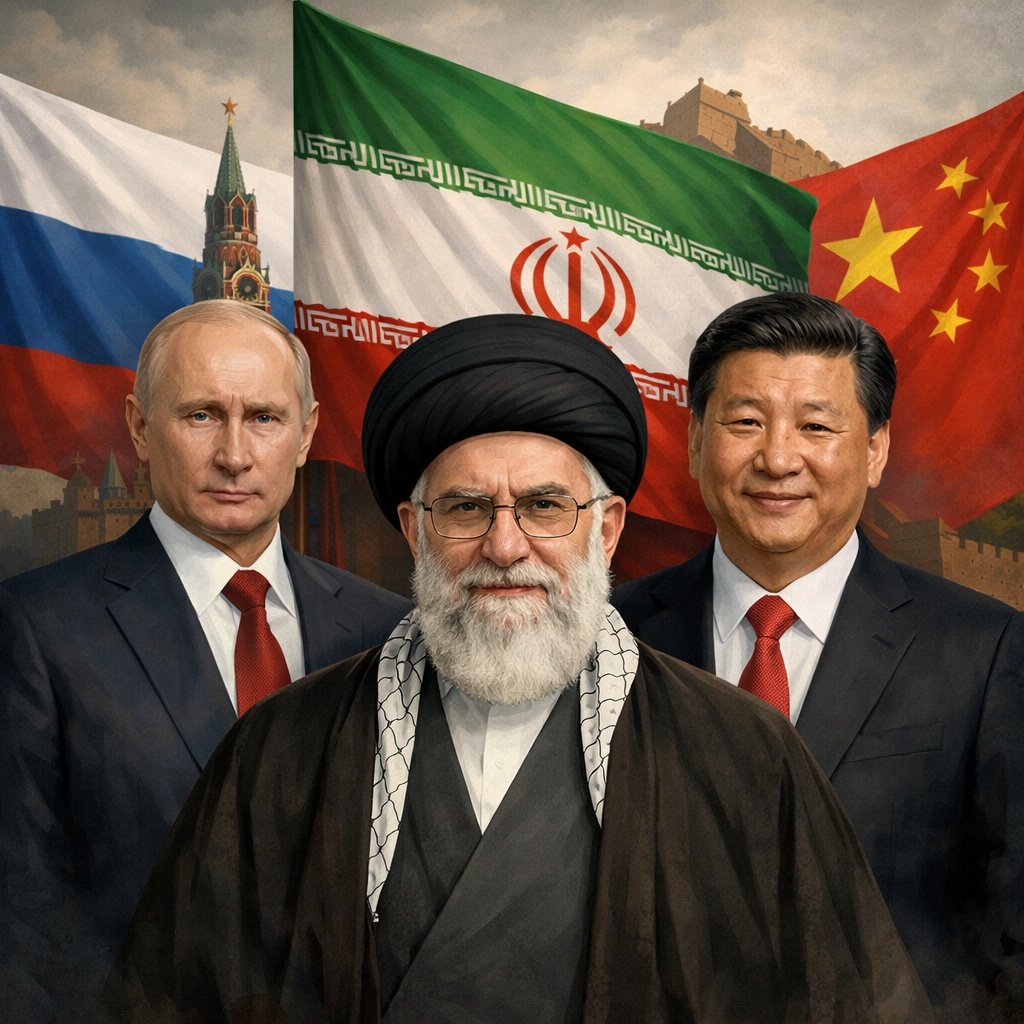
Why Iran Can Win in Prolonged Conflict
AFBytes Brief
The commentary argues that Iran benefits from mass-producible weapons in contrast to reliance on sophisticated systems. Historical comparison is made to German production shortfalls in World War II.
Why this matters
US foreign policy decisions on Iran affect trade leverage and potential military commitments that influence taxpayer-funded defense spending.
Perspectives on this story
AI-generated analytical lenses meant to encourage you to think across multiple frames. Not attributed to any individual; not presented as fact.
Household Impact
How this affects family budgets, jobs, and day-to-day life.
Potential escalation could raise energy prices affecting household fuel and heating costs.
America First View
How this lands for readers prioritizing American sovereignty, borders, and domestic industry.
US involvement would test domestic industrial base capacity and trade leverage.
Institutional View
How established institutions -- agencies, courts, allied governments -- are likely to frame it.
Defense and state departments assess adversary capabilities through established intelligence channels.
Civil Liberties View
How this reads through the lens of constitutional rights, free speech, and due process.
No direct privacy or due-process issue arises from strategic production analysis.
National Security View
How this matters for defense posture, intelligence, and adversary deterrence.
The piece addresses supply-chain resilience and industrial output in potential conflict scenarios.
Adversary View
How foreign rivals are likely to frame this story. Not presented as fact and does not reflect the views of AFBytes.
Iranian state media would likely present the same production-capacity argument as evidence of strategic advantage.
AFBytes analysis is AI-assisted and generated from source metadata, article summaries, and topic context. It is intended to help readers think through implications, not replace the original reporting from armstrongeconomics.com. See our AI and Summary Disclosure for details.