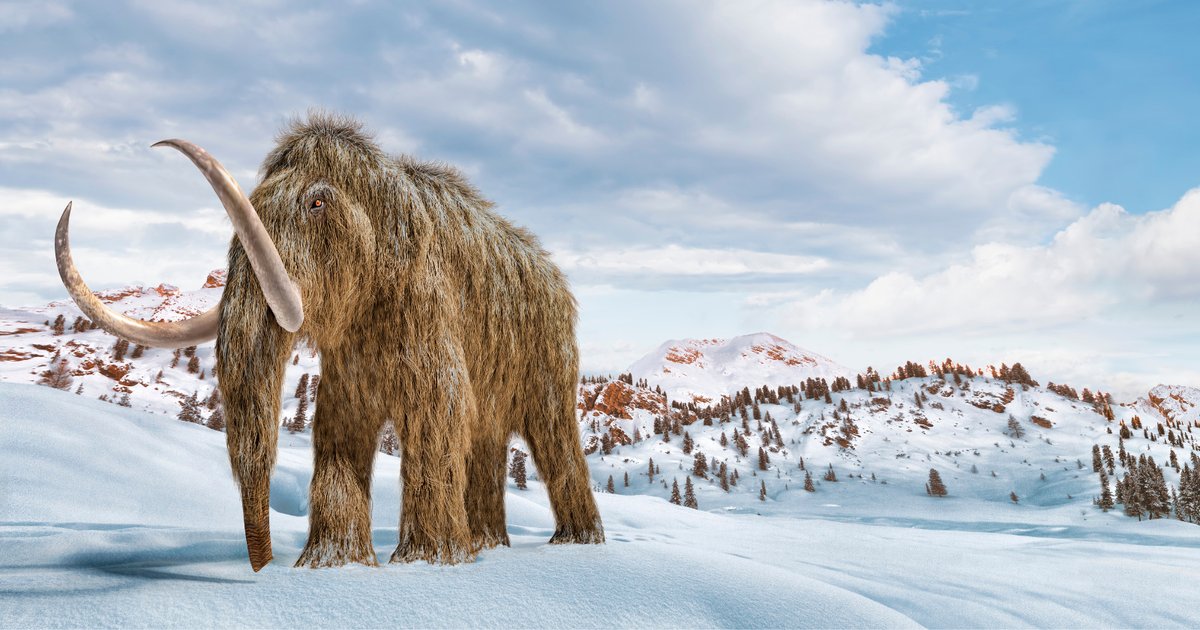
Alaska fossils reclassified from mammoth to whale
AFBytes Brief
Two bones stored since 1951 were reidentified through multiple laboratory methods as whale remains rather than mammoth.
Why this matters
Accurate fossil records improve scientific understanding but carry no immediate effect on household budgets or policy.
Perspectives on this story
AI-generated analytical lenses meant to encourage you to think across multiple frames. Not attributed to any individual; not presented as fact.
Household Impact
How this affects family budgets, jobs, and day-to-day life.
The discovery has no measurable impact on family budgets or local prices.
America First View
How this lands for readers prioritizing American sovereignty, borders, and domestic industry.
Domestic museum collections continue to yield corrected records of North American natural history.
Institutional View
How established institutions -- agencies, courts, allied governments -- are likely to frame it.
Research institutions rely on updated laboratory techniques to maintain accurate specimen catalogs.
Civil Liberties View
How this reads through the lens of constitutional rights, free speech, and due process.
No constitutional rights or privacy issues are involved in scientific specimen reclassification.
National Security View
How this matters for defense posture, intelligence, and adversary deterrence.
No implications for defense posture or critical infrastructure arise from this reclassification.
Adversary View
How foreign rivals are likely to frame this story. Not presented as fact and does not reflect the views of AFBytes.
No clear adversary framing applies to this story.
AFBytes analysis is AI-assisted and generated from source metadata, article summaries, and topic context. It is intended to help readers think through implications, not replace the original reporting from spacedaily.com. See our AI and Summary Disclosure for details.