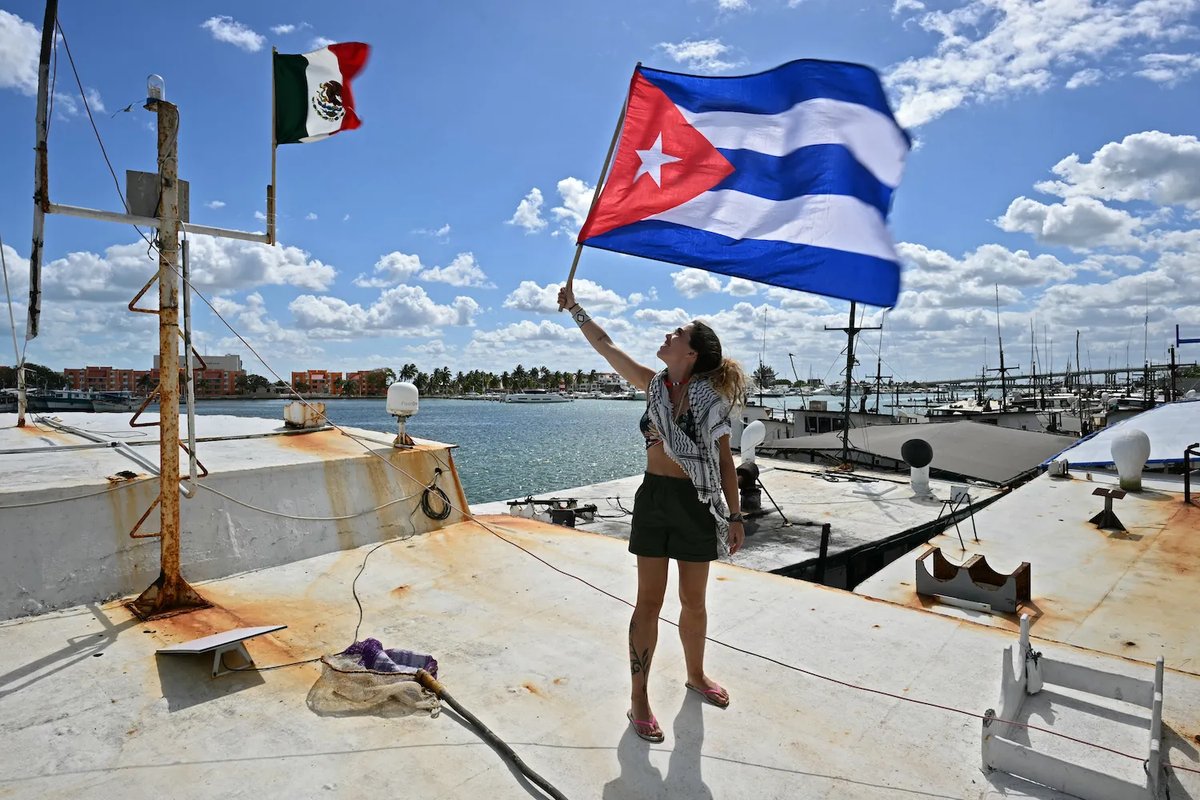
Cubans leaving for destinations other than United States
AFBytes Brief
Deteriorating economic and political conditions in Cuba are driving emigration to alternative destinations rather than traditional routes to the United States.
Why this matters
Shifts in Cuban migration destinations can alter pressure on U.S. southern border resources and affect regional diplomatic and economic relations.
Perspectives on this story
AI-generated analytical lenses meant to encourage you to think across multiple frames. Not attributed to any individual; not presented as fact.
Household Impact
How this affects family budgets, jobs, and day-to-day life.
Changes in migration flows can influence remittance volumes that support families remaining on the island.
America First View
How this lands for readers prioritizing American sovereignty, borders, and domestic industry.
Reduced direct migration to the United States may ease immediate border management demands while highlighting the need for regional stability strategies.
Institutional View
How established institutions -- agencies, courts, allied governments -- are likely to frame it.
U.S. and regional agencies apply existing immigration statutes and asylum procedures to shifting origin-country flows.
Civil Liberties View
How this reads through the lens of constitutional rights, free speech, and due process.
Emigration decisions reflect individual rights to leave one's country under international norms and domestic exit policies.
National Security View
How this matters for defense posture, intelligence, and adversary deterrence.
Migration patterns from the Caribbean affect maritime interdiction planning and regional security cooperation.
Adversary View
How foreign rivals are likely to frame this story. Not presented as fact and does not reflect the views of AFBytes.
Cuban state media is likely to frame alternative emigration routes as evidence of successful domestic policy adjustments and reduced U.S. pull factors.
AFBytes analysis is AI-assisted and generated from source metadata, article summaries, and topic context. It is intended to help readers think through implications, not replace the original reporting from foreignpolicy.com. See our AI and Summary Disclosure for details.